To enable us to give you our full attention during your showroom visit, please book an appointment
When Alison decided it was time to replace the Marmoleum floor in her Cambridge kitchen, there was never much doubt about what she wanted.
She lives a short distance from our showroom on Milton Road, and she had lived with her Marmoleum flooring for well over 20 years. It had been comfortable underfoot, easy to live with and very durable. Rather than look for something different, she wanted those same qualities again. This time, she also wanted the floor to carry on seamlessly into her utility room.
What looked like a simple replacement soon revealed a challenge that couldn't be ignored.
| Detail | Summary |
| Property | Victorian home in Cambridge, a short distance from the Art of Flooring showroom |
| Rooms | Kitchen and utility room |
| Objective | Replace a Marmoleum floor that had lasted more than 20 years and extend it into the utility room |
| Main challenge | Uneven original timber floorboards caused by movement over time |
| Preparation | Old floor lifted, 6mm Floorgrade plywood screwed down, feather finish smoothing compound applied |
| Flooring | Forbo Marmoleum sheet |
| Fitted by | John, Art of Flooring |
| Result | One smooth, continuous floor across the kitchen and utility room
|
Marmoleum has a loyal following, and Alison's old floor is a good example of why.
Marmoleum is Forbo's brand of linoleum. That's not the same thing as vinyl, even though vinyl is often called lino. Genuine Marmoleum is made from natural raw materials, including linseed oil, wood flour, limestone, jute and natural pigments. Forbo makes it without plasticisers, and many of its ingredients are renewable. It's designed for a long service life.
For most homeowners, though, the appeal comes down to everyday living. It feels warm and comfortable underfoot. It has a distinctive matt finish that ages gracefully. And it's very hard-wearing when it's fitted properly.
Alison didn't need convincing on any of that. Her original floor had already proved itself over two decades of daily family life. Replacing like for like simply made sense.


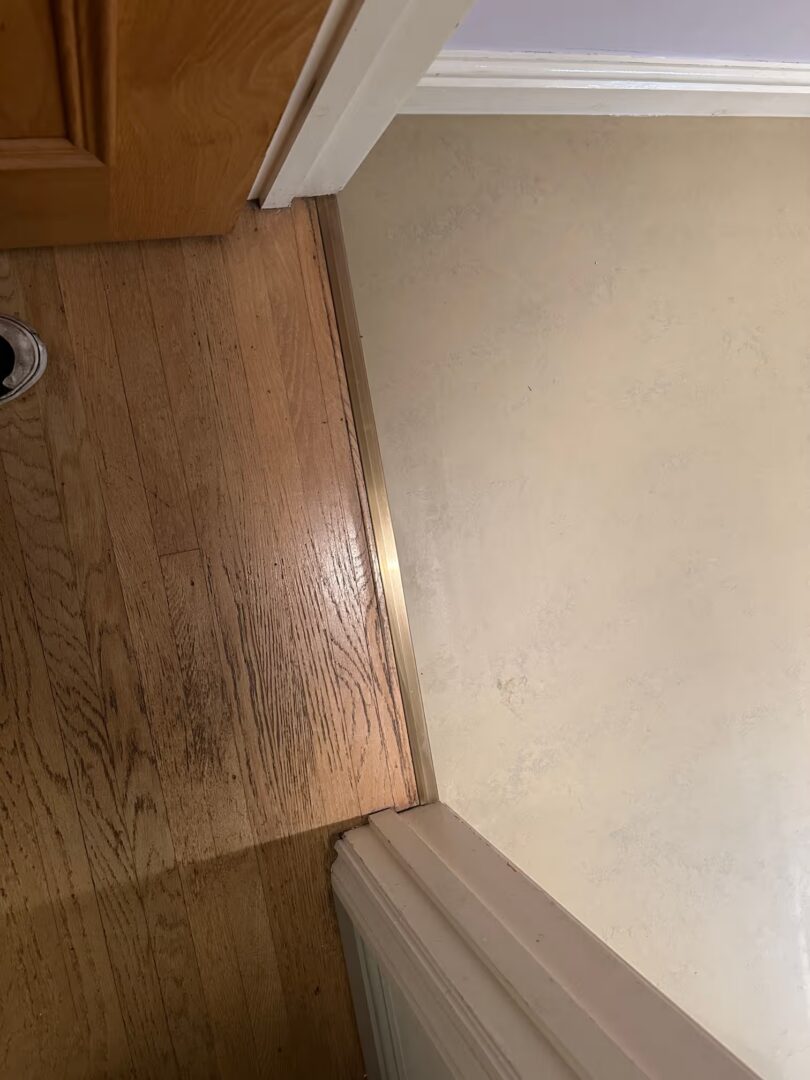
Once the old Marmoleum had been carefully lifted, the real condition of the subfloor became clear.
As in many Victorian houses, years of movement had left the original timber floorboards uneven in places. Small height differences had built up over time, creating an undulating surface that wasn't suitable for new sheet Marmoleum.
This is exactly the kind of problem that stays hidden until an old floor comes up. Some flooring can disguise slight imperfections. Marmoleum can't.
Because it's laid as a smooth sheet, every ridge, dip, or joint underneath can show through the finished floor. Even small imperfections become visible once the floor is in use.
A perfectly prepared base wasn't optional. It was essential.
This is where our fitter, John, drew on years of experience.
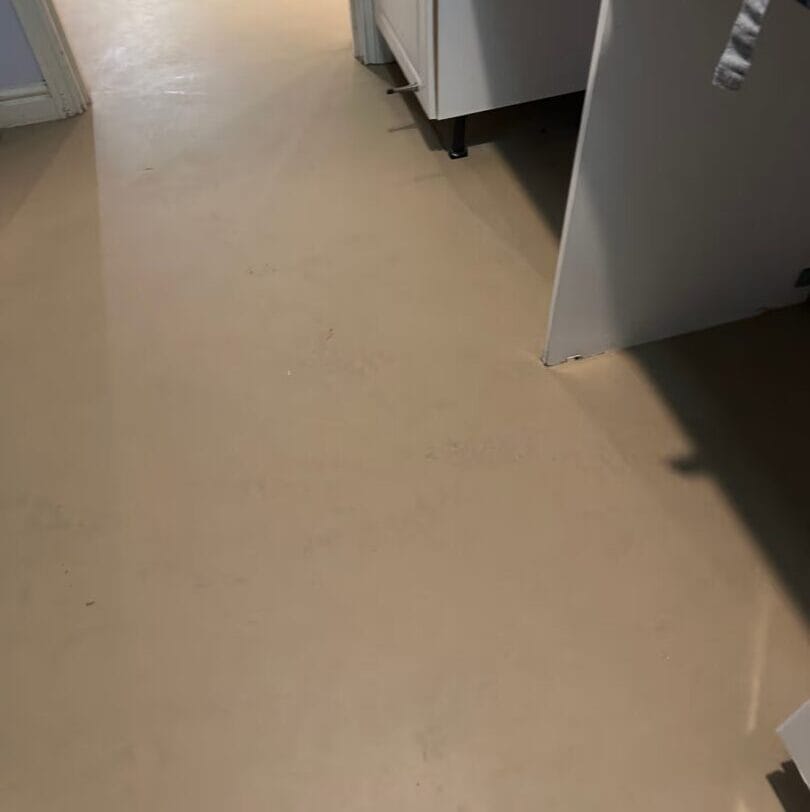
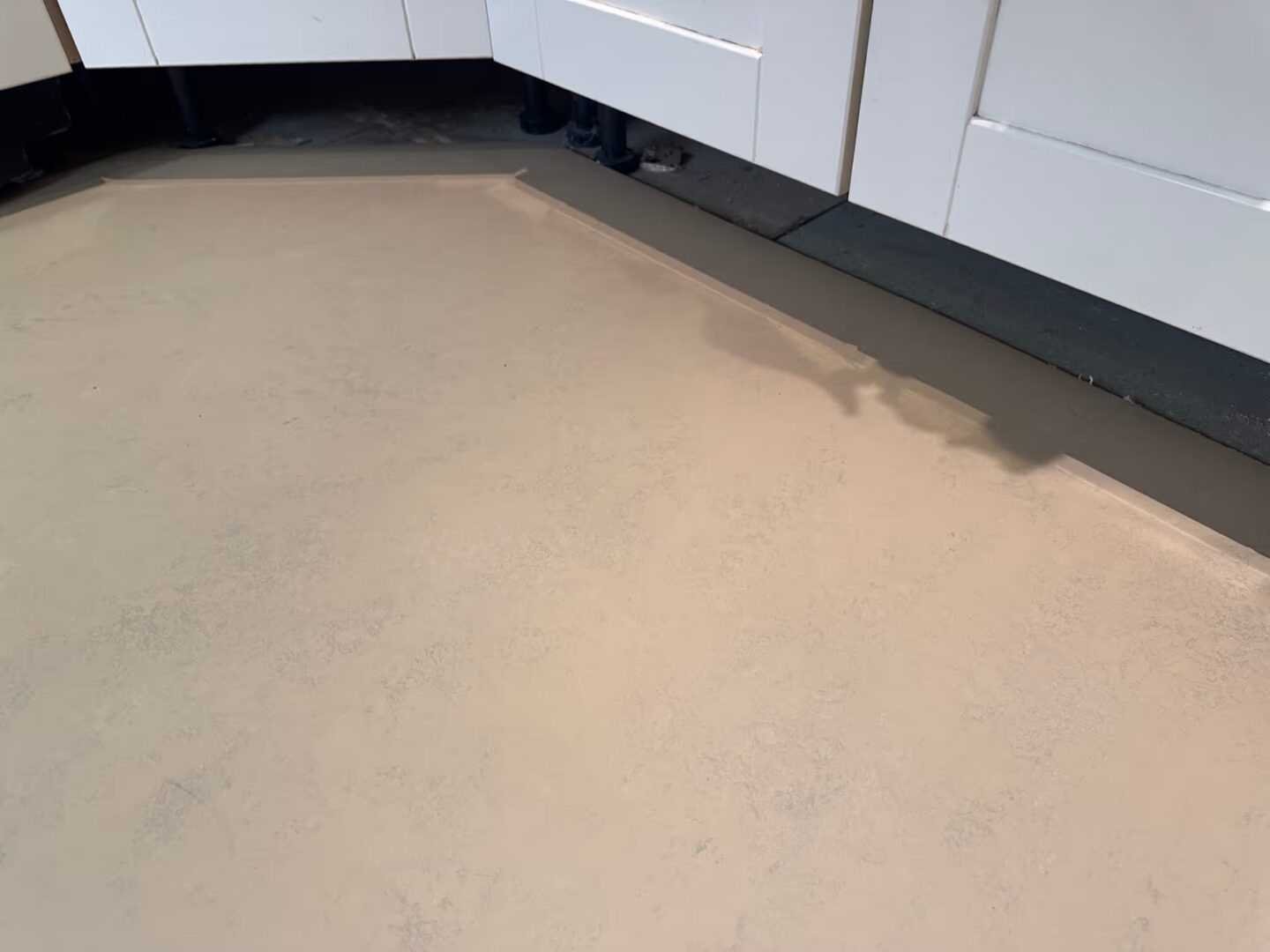
He started by laying 6mm Floorgrade plywood over the existing floorboards, screwing each sheet firmly into place. The plywood stops the old boards moving beneath the new floor and gives a stable, flat surface to work from.
He then applied a feather finish smoothing compound over the plywood. This fills the joints between sheets and takes out the small height differences that remain, leaving a very smooth surface ready for the Marmoleum.
Most of this work disappears beneath the finished floor. It's still one of the most important stages of the whole project. Without it, imperfections can telegraph through to the surface and affect both how the floor looks and how long it lasts.
We used the same plywood and feather finish method in Lucy's first home, where the subfloor was chipboard rather than Victorian boards.
Marmoleum is a rewarding floor, but it isn't one of the easiest to fit.
Compared with most modern resilient floors, it's relatively stiff, and it can become brittle if it isn't handled correctly. Cutting, positioning and forming sheet Marmoleum accurately takes patience, experience and an understanding of how the material behaves.
It's a floor that rewards careful workmanship. That's why we believe a Marmoleum installation deserves the same level of preparation and fitting skill as the product itself, and it's work we take on for homes across Cambridge and Cambridgeshire.
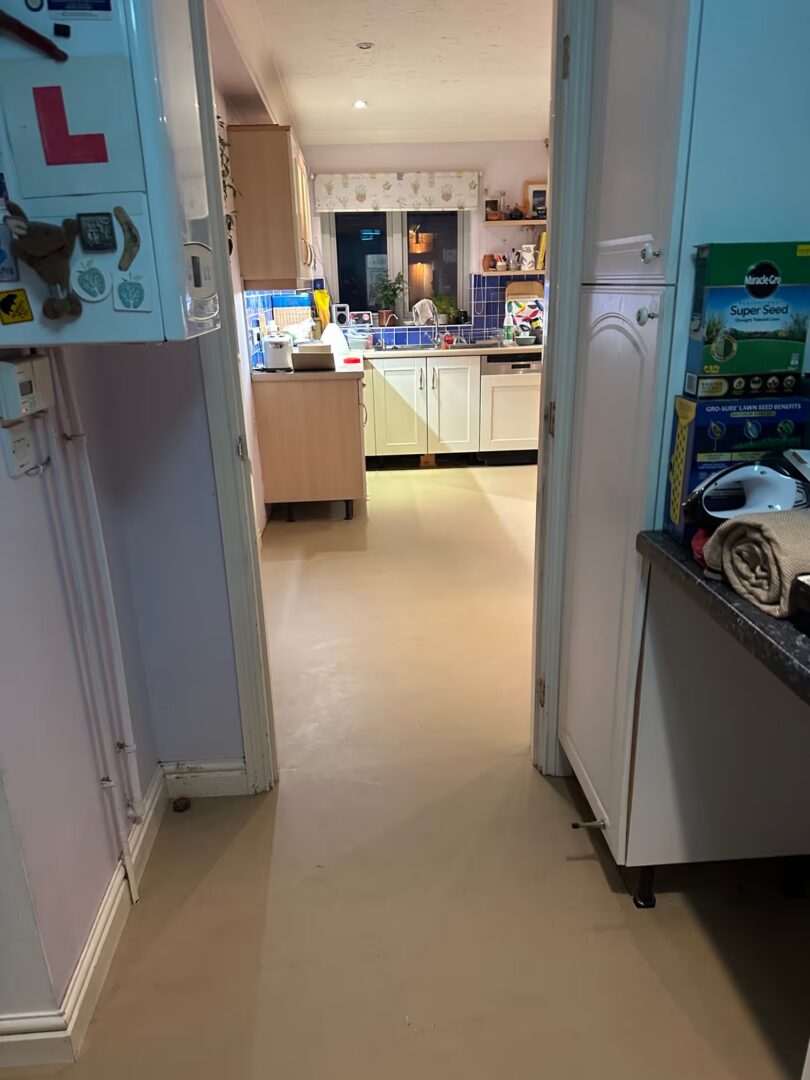
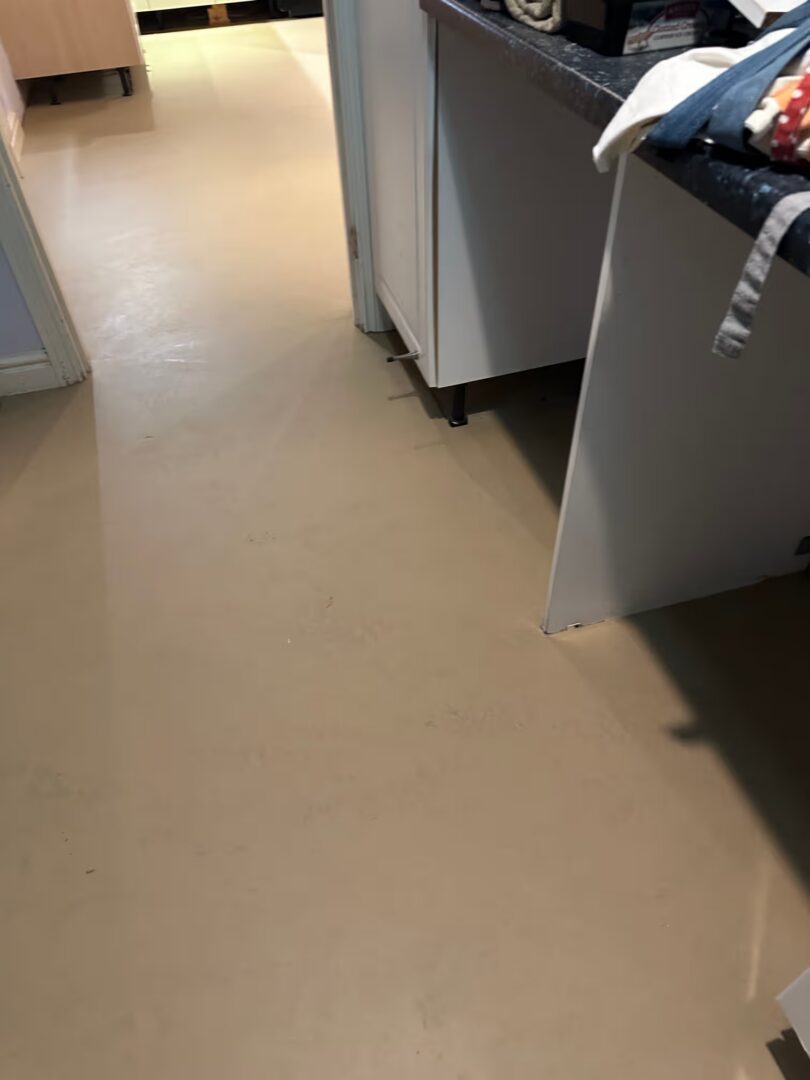
With the preparation done, the new floor transformed both rooms.
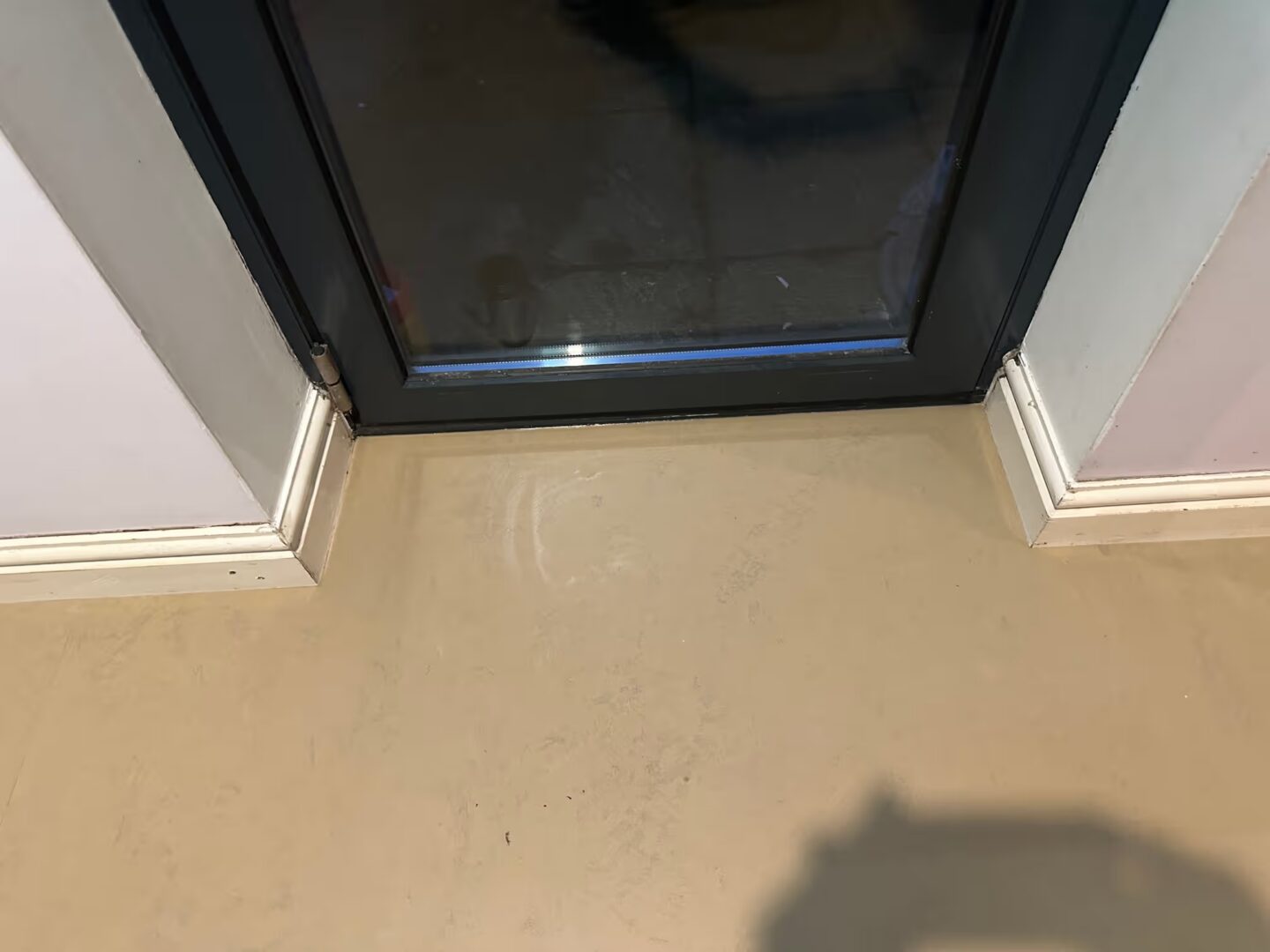
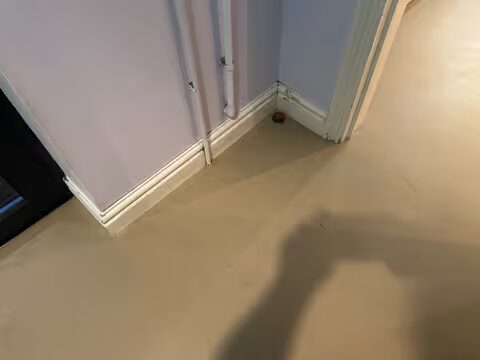
The Marmoleum now flows naturally from the kitchen into the utility room. It gives Alison one continuous, practical surface that suits the character of her Victorian home and the way she lives in it.
Most importantly, the floor has the smooth, solid feel that only comes from investing time beneath the surface before the visible installation even starts. It's a detail most people never see. It's also exactly what lets a quality floor perform for many years to come.
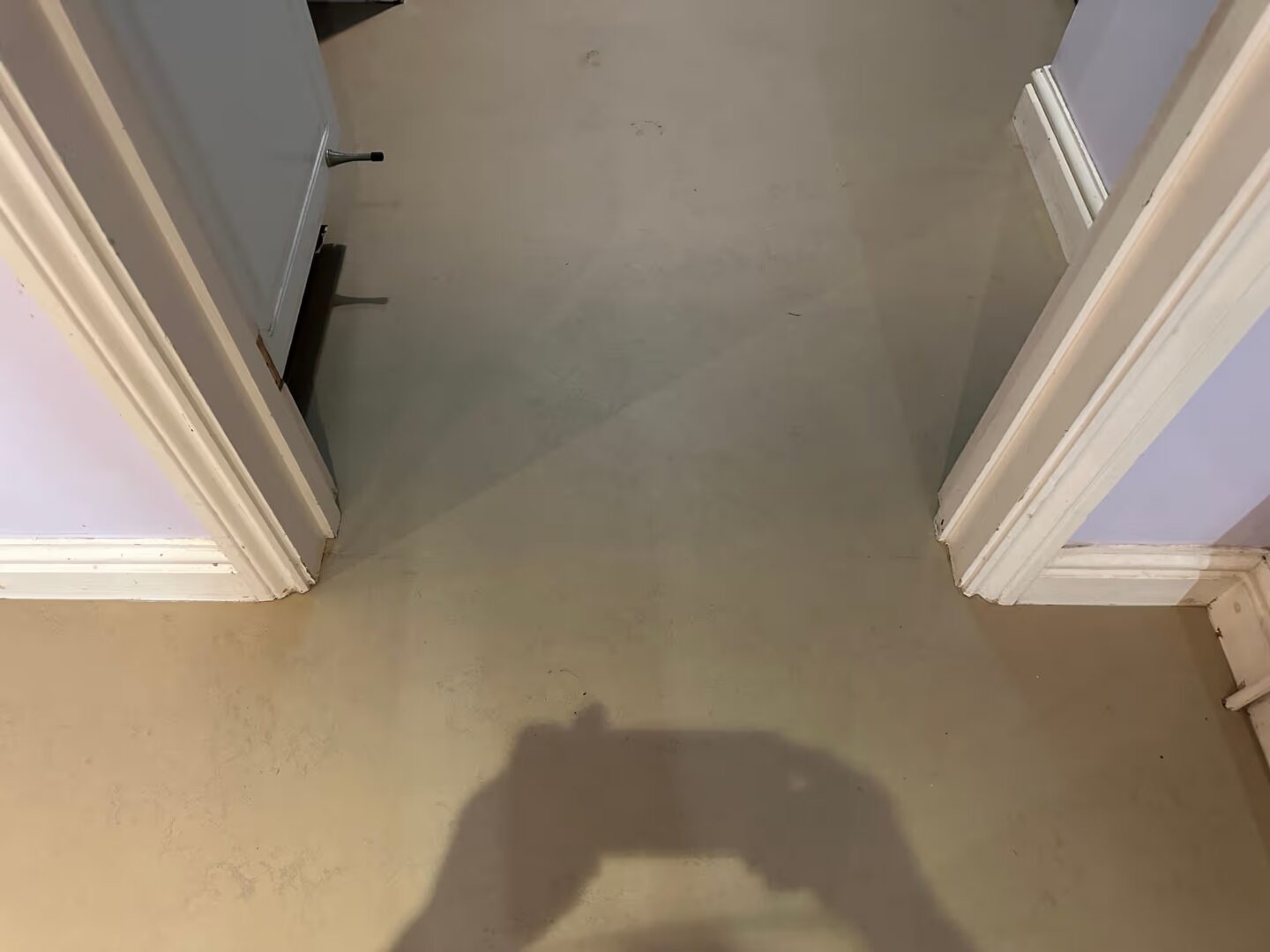
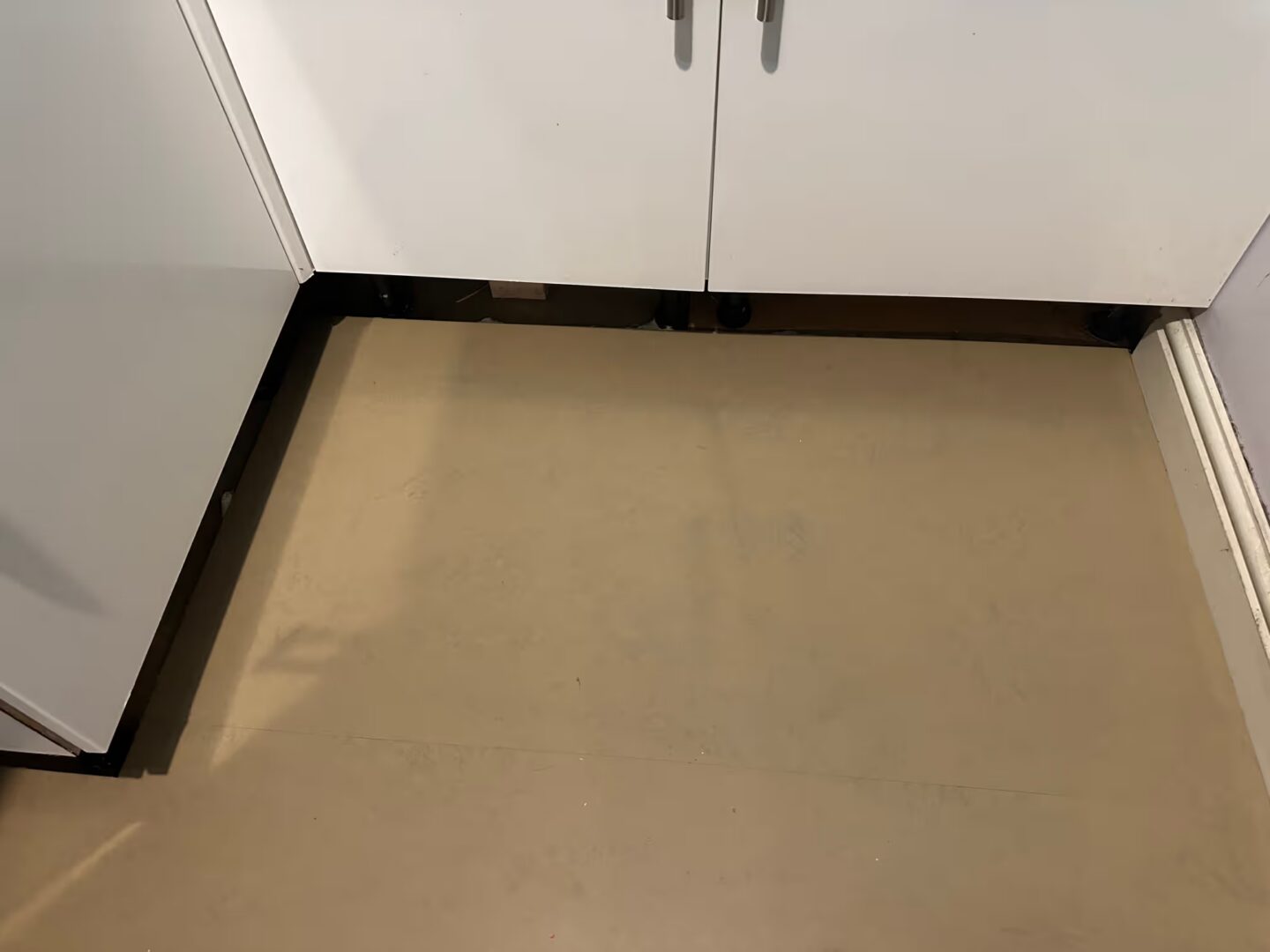
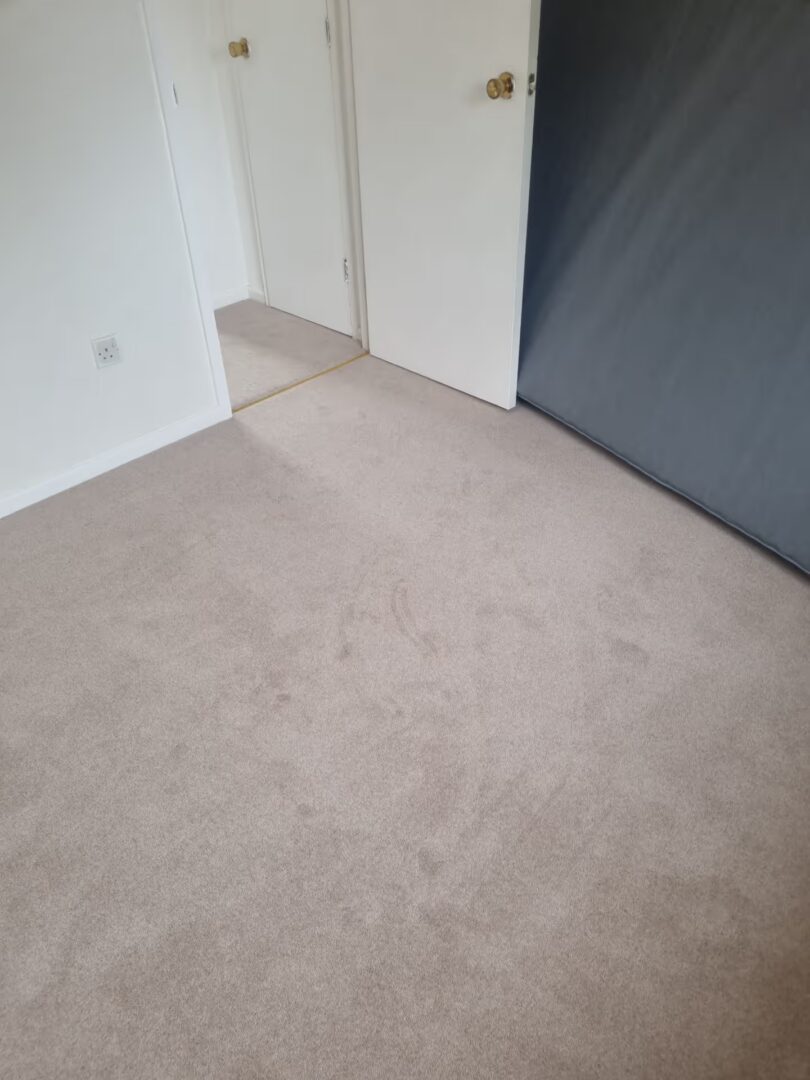
The quality of a finished floor depends as much on what happens underneath as on the floor you see.
Alison already knew Marmoleum could last. Her first floor had shown her that. What made the second one work in a Victorian house was taking the boards seriously before a single sheet was cut. If you're considering Marmoleum for an older property, time spent on the subfloor is one of the most valuable investments you can make.
Whether you're replacing an old lino floor or choosing Marmoleum for the first time, we can help you find the right range and colour from our Marmoleum and lino collection, and make sure the floor beneath it is properly prepared.
The easiest first step is to book a free home survey. If you'd rather see the colours in person, visit our showroom at 141 Milton Road, Cambridge, CB4 1XE, or call us on 01223 755802.
Once your new floor is down, our sister company Art of Clean can help keep it looking its best.