To enable us to give you our full attention during your showroom visit, please book an appointment
- Opening Hours
Showroom Open by Appointment Only
Monday - Friday 9:00am - 5:00pm
Saturday or Sunday 9:00am - 3:00pm

To enable us to give you our full attention during your showroom visit, please book an appointment
If you’re building or renovating, reaching the “flooring” stage often brings a realisation: this isn’t just decoration. It’s the foundation for how your home will feel, sound and even age.
In our Cambridge showroom, I’ve seen that familiar pause. The question behind the eyes: “Why does this feel more complex than I thought?”
And it’s true. Your floor matters more than most expect. But if solid wood is on your mind, you’re already looking at one of the most timeless and character-rich options available. This guide brings together years of experience, from real homes, not just product catalogues, to help you choose with confidence.
Solid wood flooring isn’t just a surface to walk on. It quietly shapes the entire feeling of your home. Here’s why:
Unlike cold tiles or plastic-based floors, real timber holds warmth beautifully. Step onto it barefoot on a winter morning, and you’ll know why so many homeowners say, “It just feels like home.”
Wood floors absorb sound in a way that synthetic materials can’t. One client described their solid oak floor as turning a noisy open-plan space into “a proper sanctuary”.
Solid wood can last 50 to 100 years, often more. We’ve restored floors older than us, still going strong and full of life. The ability to sand and refinish gives it a lifespan few floors can match.
Responsibly sourced hardwood acts as a carbon sink, storing CO₂ for decades. With low-VOC finishes and refinishing potential, it’s a quiet win for indoor air and the environment. flooringrating.com Vents Magazine
A properly installed solid wood floor doesn’t just look good. It often boosts resale appeal. Buyers notice, and they value it.
Every plank you see is a single piece of wood all the way through. No layers. No veneers. Just pure timber. That’s what gives solid wood its key benefits:
Many homeowners love that their floor ages gracefully. Every day life leaves tiny marks that slowly become part of its story. It’s a floor that grows with your home, not against it.
If you're unsure whether solid or engineered suits your project best, this guide might help: Solid vs Engineered Wood
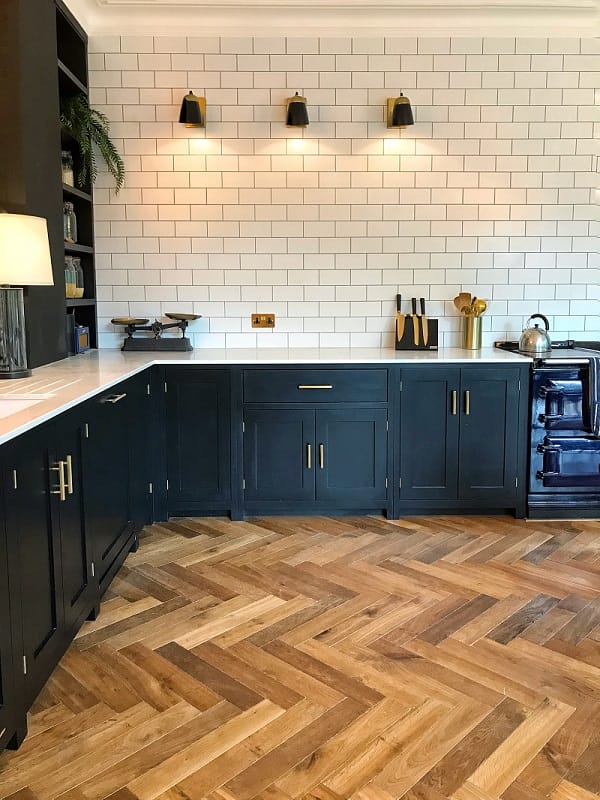
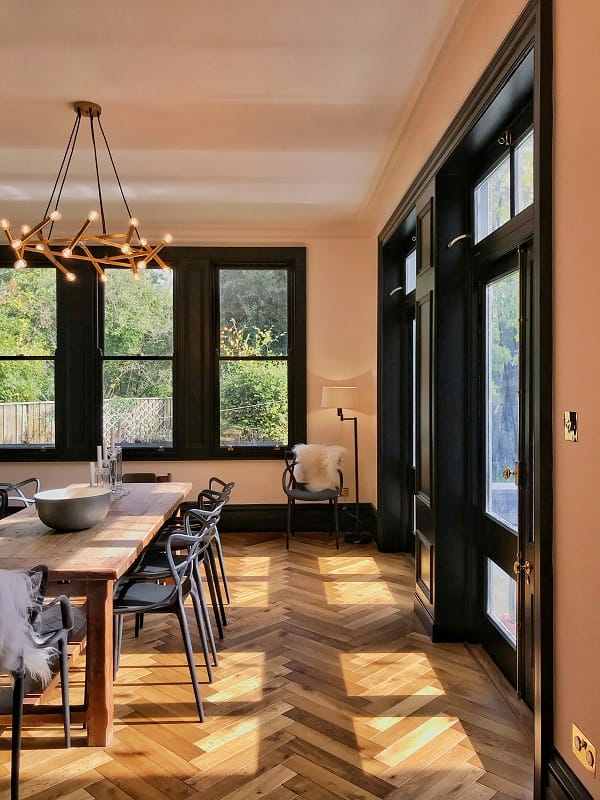
These areas benefit from its warmth, comfort, beauty and durability.
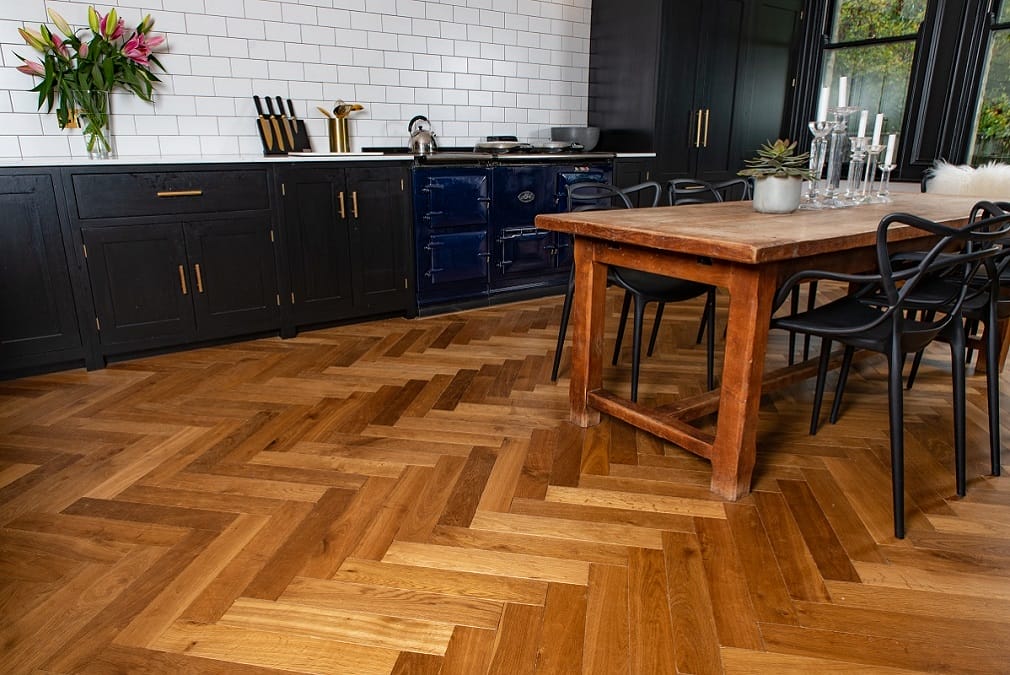
Kitchens, yes, wood can work beautifully here if you treat the space with respect: wipe up spills promptly, use good mats at key spots (sink/dishwasher), and maintain the finish.
Rooms with fluctuating humidity or occasional dampness require careful installation, acclimation, and maintenance.
Solid timber doesn’t enjoy sitting in moisture. Think of it like a fine leather bag; give it the right environment, and it will last decades. This is a common drawback that many flooring guides warn homeowners about.
This is nature’s artwork, laid across your home, something synthetic materials simply cannot replicate.
Solid wood doesn’t stay static. Over time, it settles. It deepens. Your floor becomes something lived in, not just looked at. The shifting tones, the wear in common paths, even subtle dents, these become part of the home’s story.
Want guidance on the right finish for your lifestyle? Try this article: Oil vs Lacquer
One of the best perks? You can reinvent it.
It’s one of the few flooring types that can be refreshed without full replacement, a strong reason it remains a favourite for long-term homeowners.
People often ask me:
“Will it survive my kids, my dog, my clumsy partner?”
Short answer: yes, with the right habits.
Species like oak are known for resilience. Add a strong finish and a few precautions like mats and felt pads, and your floor will hold up well even under busy feet.
Weekly vacuuming, a light mop now and then, and occasional re-oiling is usually enough. Many homeowners say it’s no harder than looking after a dining table, just larger.
Solid wood is also better for allergies. It doesn’t trap dust, dander, or pollen like carpet.
Want a full breakdown? See our post on wood floor cleaning and maintenance.
If you care about the environment or what your family breathes in, solid wood flooring can be a smart long-term choice.
Timber floors store carbon, and because they can last for generations, that stored carbon stays locked away. Choosing a floor that doesn’t need replacing every 10 or 15 years reduces environmental impact dramatically.
Quality wood flooring, especially when finished with low-VOC or zero-VOC finishes, contributes to a healthier indoor environment. Compared with carpets or vinyl, wood floors are less likely to trap allergens, dust, or pet dander.
Here’s a simple step-by-step framework that I use with customers daily.
Decide early whether you’re tackling one room or an entire floor. This will shape your choices: species, board size, finish quality, how many “lives” your floor should have.
What mood are you after?
Your lifestyle matters more than aesthetics here.
Before installation, any good specialist should assess:
These factors are essential for long-term performance and to avoid warping, cupping, or gaps.
I can’t emphasise this enough, always take samples home, place them where your furniture will go, observe them at different times of day and under your actual lighting. Wood changes drastically under natural vs artificial light, what looked warm and golden in the showroom might look dull or overly yellow at home.
The best wood in the world won’t save a poor installation. Look for companies that:
A good floor is a partnership between material and method.
Solid wood is brilliant, but it’s not for every space.
If your space has tricky humidity or tight timelines, engineered wood or LVT might be a better match.
A solid wood floor brings more than warmth and beauty. It brings presence, depth, and a sense of home.
It’s not a fast decision, but for many, it’s the one they’re proudest of a decade later.
If you’re standing at that crossroads, unsure where to go next, book an appointment and visit our showroom at Art of Flooring. We’re always happy to help you find a floor that genuinely fits your home, your life, and perhaps even the story you want your floor to tell.