To enable us to give you our full attention during your showroom visit, please book an appointment
- Opening Hours
Showroom Open by Appointment Only
Monday - Friday 9:00am - 5:00pm
Saturday or Sunday 9:00am - 3:00pm

To enable us to give you our full attention during your showroom visit, please book an appointment
Engineered oak flooring is a real wood floor made with a genuine oak top layer over a multi-layer core. For many homeowners, it is a practical middle ground between appearance and performance, especially where underfloor heating, concrete subfloors, or changing temperatures are part of the decision.
It is often chosen because it gives you the look of an oak floor with better stability than solid wood in many modern homes. The trade-off is simple. Long-term refinishing potential depends on the wear layer thickness, so the board specification matters far more than the label alone.
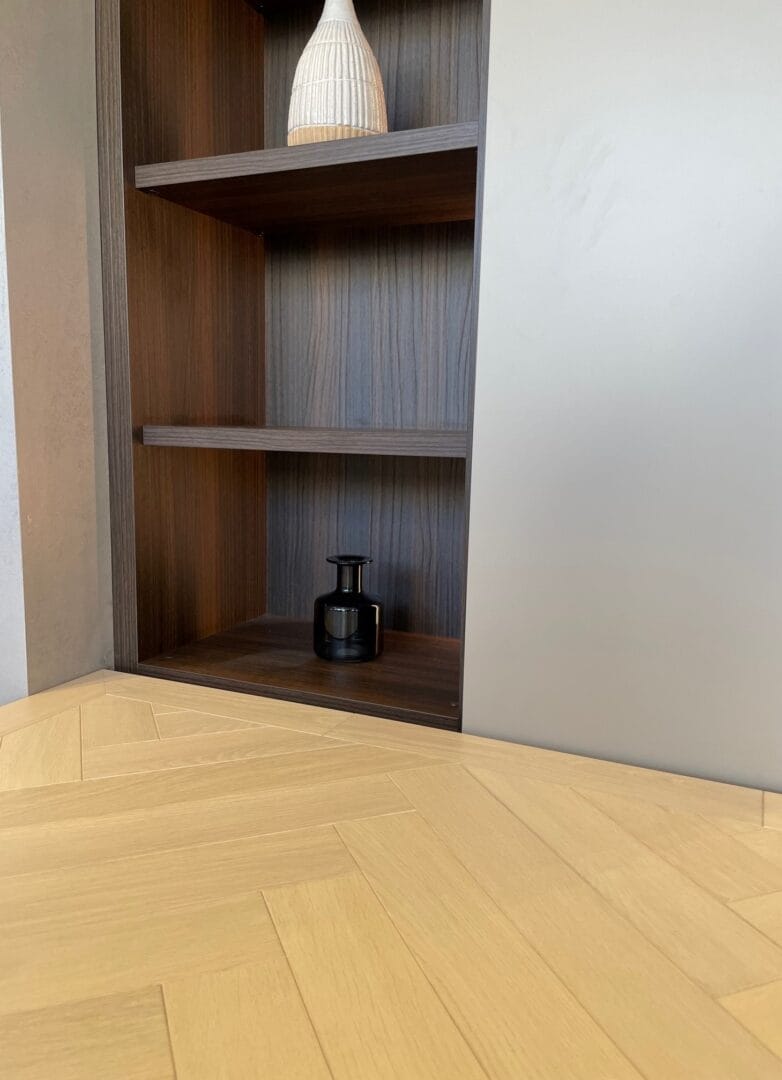
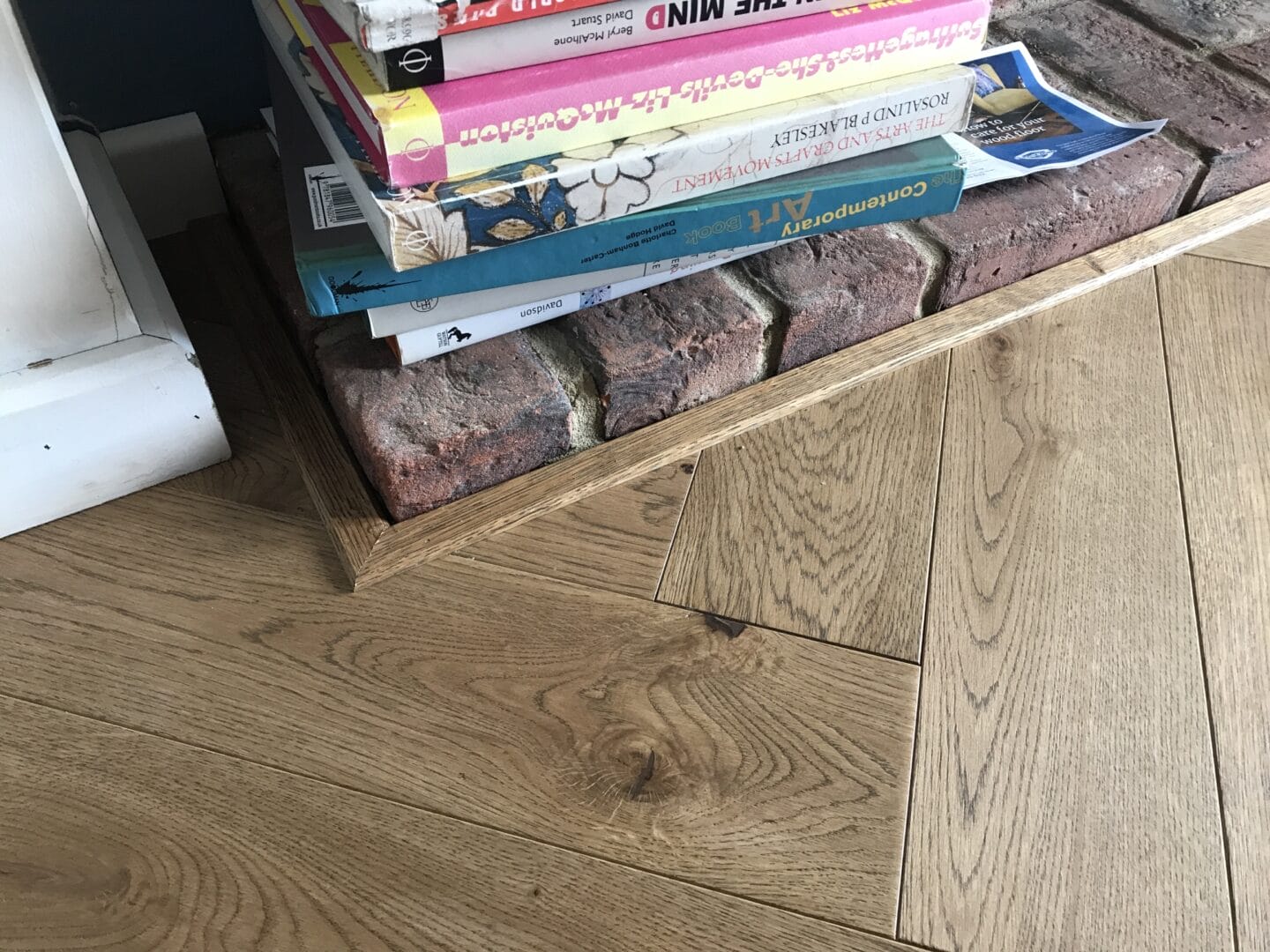
Engineered oak flooring is a type of engineered wood flooring with a real oak surface and a multi-layer core beneath. The top layer gives you the beauty of real wood, while the layered construction improves stability compared with a single-piece solid oak floorboard.
A typical engineered oak board includes a hardwood top layer, often European oak, bonded to a core made from plywood, HDF, or another timber-based structure. That layered construction helps the floor cope more calmly with normal changes in humidity and temperature, which is one reason it has become such a popular choice in homes across the UK.
The important point is this. Engineered oak is still a real wood floor. It is not laminate, vinyl, or a printed imitation. What changes is the structure beneath the visible surface.
Solid wood flooring is made from one piece of timber all the way through. Engineered oak flooring is layered. That difference affects stability, installation, refinishing potential and where each option works best.
| Feature | Engineered Oak Flooring | Solid Oak Floor |
| Construction | Real oak top layer over multi-layer core | One piece of oak throughout |
| Stability | Usually better in changing conditions | More movement in changing conditions |
| Underfloor heating | Often suitable if specified by the manufacturer | More limited and condition-sensitive |
| Concrete subfloors | Commonly easier to plan for | Less straightforward |
| Refinishing | Depends on wear layer thickness | Usually, there is more lifetime sanding potential |
| Lifespan | It can last for decades with the right specification | Often chosen for maximum long-term renewability |
| Best fit | Modern homes, extensions, kitchens, and wide plank layouts | Traditional installs, long-term sanding potential |
Engineered oak flooring usually wins on versatility. Solid oak usually wins on maximum renewability over the very long term. The right choice depends on the property, the subfloor, the heating setup, and how long you expect the floor to stay in place.
This is one of the biggest reasons people choose engineered oak. In homes with underfloor heating, seasonal dryness, large glazed areas, or modern extensions, a layered board is usually a calmer and more reliable option than a solid hardwood floor.
Engineered flooring is often easier to specify for concrete subfloors and modern build-ups. It can also suit more than one installation method, depending on the board and the site conditions.
Whether you want a classic oak floor, a wide plank look, a rustic finish, or herringbone engineered boards, there is a wide choice in colour, finish, board width and grade. That makes it easier to match the floor to the style of the home rather than forcing the home around the floor.
Because the board uses real oak on the surface rather than solid oak throughout, engineered oak can reduce the amount of slow-grown hardwood used per plank. That does not make every product equal, but it does make responsible sourcing worth checking.
Living rooms, kitchens, hallways and family homes often need a floor that looks good but also copes with daily life. Engineered oak flooring can be an excellent choice where style, durability and stability all matter.
This is the biggest limitation. Some engineered oak floors can be sanded and refinished, but not indefinitely. Thicker wear layers give you more flexibility later. Thinner boards offer less room for correction once the floor has aged.
Not all engineered wood flooring is built to the same standard. A weak core, poor adhesive system, or very thin veneer can leave you with a floor that looks fine at first and disappoints later. This is where cheap-looking value often stops being value.
Engineered oak is real oak, so it behaves like wood. That means daily wear, sunlight, grit, furniture movement and moisture still matter. A durable finish helps, but no real oak floor is immune to real life.
Bathrooms and areas with repeated standing water need much more caution. Some products perform better than others, but wood floors and regular saturation are rarely an ideal pairing.
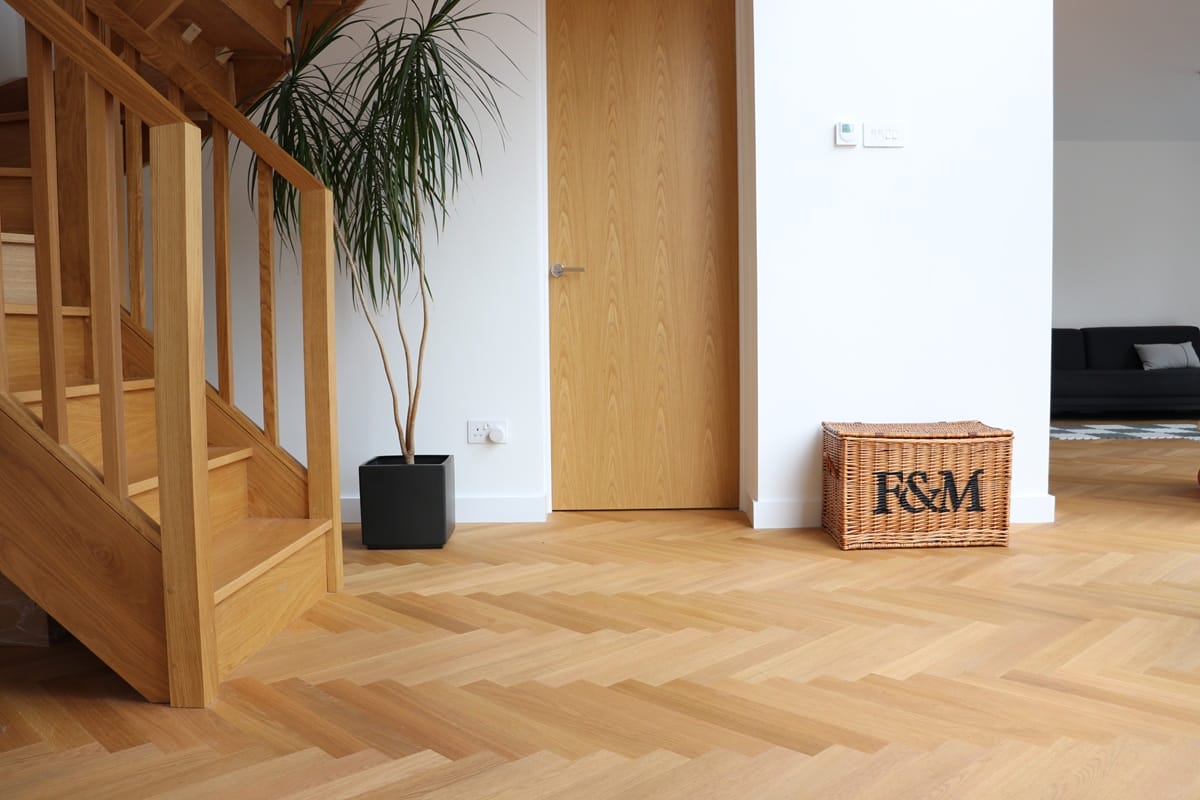
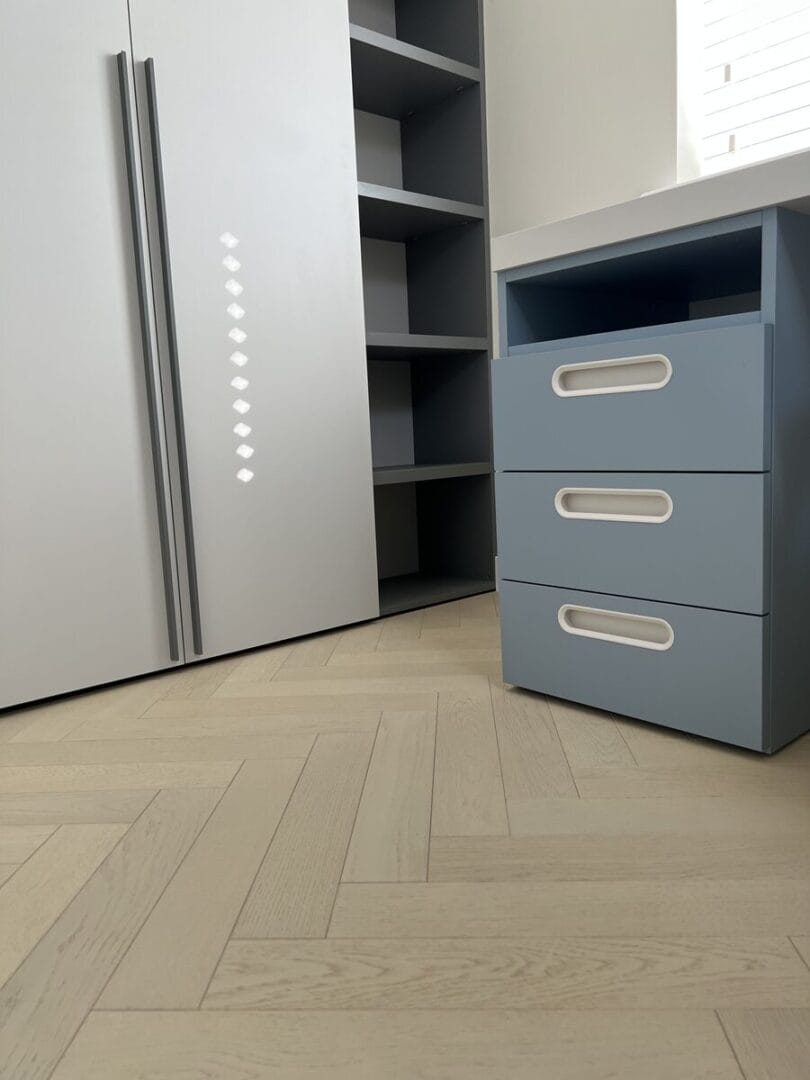
A good engineered oak floor can last for many years, and in some cases for decades, if the board is well-made and properly fitted. The biggest factors are wear layer thickness, core quality, finish type, subfloor preparation and how the room is used.
For example, a hallway or kitchen will place more pressure on the floor than a spare bedroom. A lacquered finish may suit one household better, while an oiled finish may be easier to repair locally in another.
If durability matters, focus on these points first:
A floor with a strong specification and poor preparation will still disappoint. A well-chosen board fitted properly will usually outperform a badly planned premium board.
The cost of engineered oak flooring depends on specification, not just product type. Species, grade, width, finish, wear layer thickness and pattern all affect price, as do the fitting conditions.
As a rule, do not compare prices on boards alone. Compare the full job.
That includes:
A wide plank, high-spec engineered oak floor may cost more than a simpler solid wood option. The smarter question is not “Which is cheaper?” but “Which gives the better result for this room, this subfloor and this budget?”
Engineered oak flooring works well in many domestic settings because it balances style with practical stability.
Living rooms
A strong fit where comfort, appearance and daily use all matter.
Kitchens
Often, a good option is where you want the warmth of wood but need a floor that handles normal household changes more calmly.
Bedrooms
A natural choice where a real wood finish helps the room feel warm and settled.
Hallways
A practical option if you choose the right finish and wear layer for a busy area.
Extensions and spaces with concrete subfloors
One of the most common reasons engineered flooring is specified.
Bathrooms
Proceed carefully. Moisture exposure, standing water and poor ventilation can create problems for any wood-based floor.
When comparing engineered oak flooring, ignore the colour for a moment and check the construction first.
This is where many homeowners get caught. They compare samples on appearance, then discover too late that the cheaper board was thinner, less stable, or less suited to the room.
Engineered oak flooring can usually be installed in more than one way, depending on the product and the site.
Common installation methods include:
The correct approach depends on the board, the subfloor and the room. That decision should come from the product guidance and the fitter’s assessment, not guesswork.
For maintenance, the principles are simple:
A floor that is easy to live with starts with the right finish choice, not just the right colour.
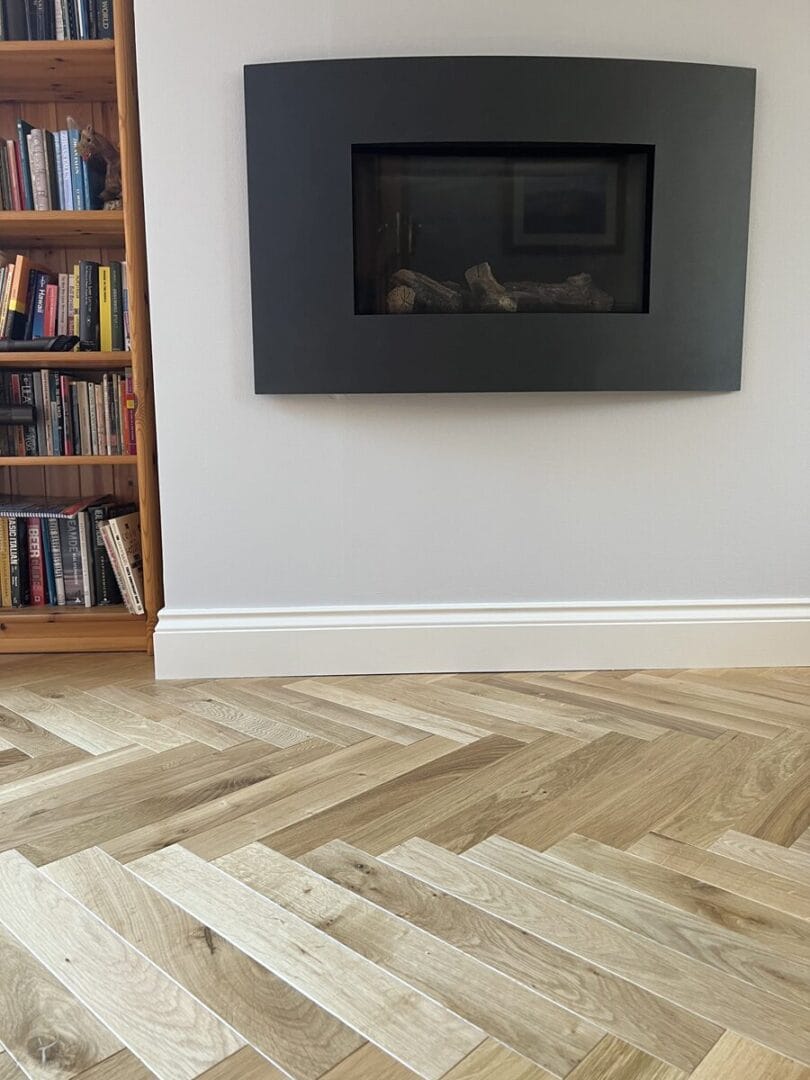
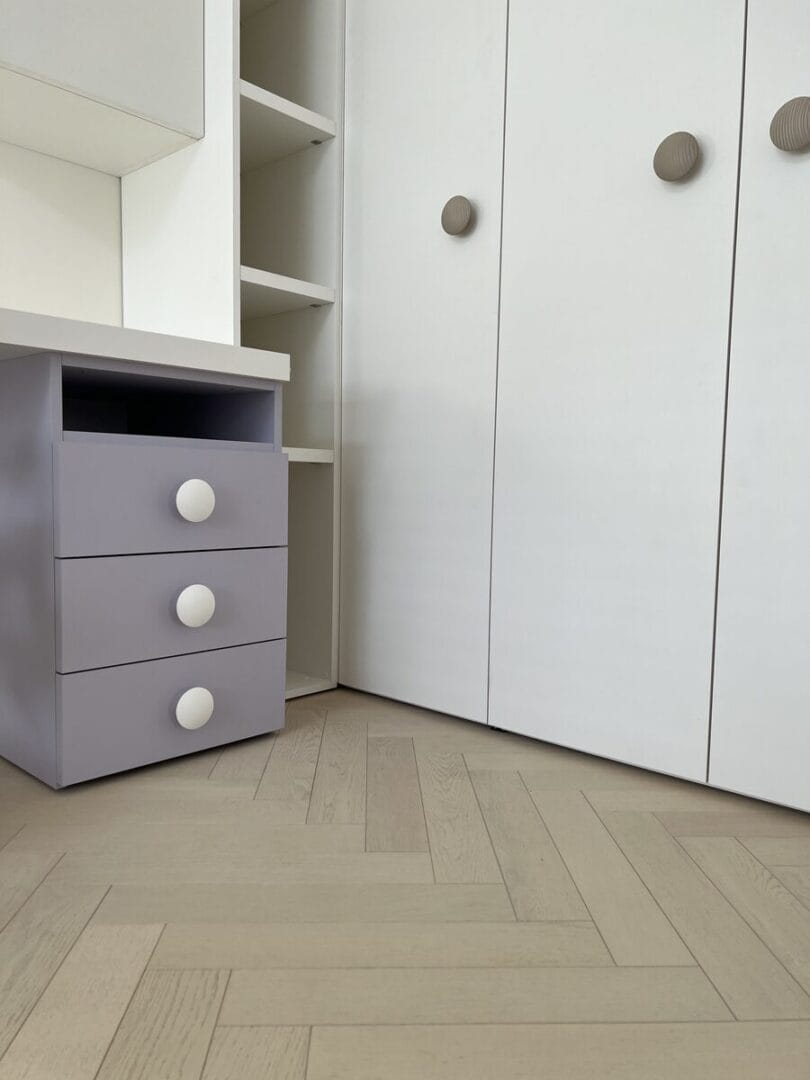
For many homes, yes. If you want a stylish oak floor with the beauty of real wood, but you also need stability for underfloor heating, modern subfloors, or changing temperatures, engineered oak flooring is often an excellent choice.
It is not automatically better than solid wood. It is simply better suited to some homes and some priorities. If your main goal is maximum sanding potential across generations, solid wood may still be the better fit. If your priority is a stable, durable and attractive floor for modern living, engineered oak is often the more sensible option.
The best way to judge value is to compare three things side by side: wear layer thickness, finish type, and what the fitting quote includes for preparation.
Engineered oak flooring is popular for good reason. It gives homeowners the look and feel of a real oak floor with better stability than solid wood in many modern settings. That makes it a strong option for kitchens, living spaces, hallways, extensions and homes with underfloor heating.
The decision should not come down to colour alone. Compare the construction, the finish and the fitting scope. That is where long-term value is usually decided.
A useful next step is to compare a few boards side by side, request free samples, and review what is included in the quote before making a final decision.