To enable us to give you our full attention during your showroom visit, please book an appointment
- Opening Hours
Showroom Open by Appointment Only
Monday - Friday 9:00am - 5:00pm
Saturday or Sunday 9:00am - 3:00pm

To enable us to give you our full attention during your showroom visit, please book an appointment
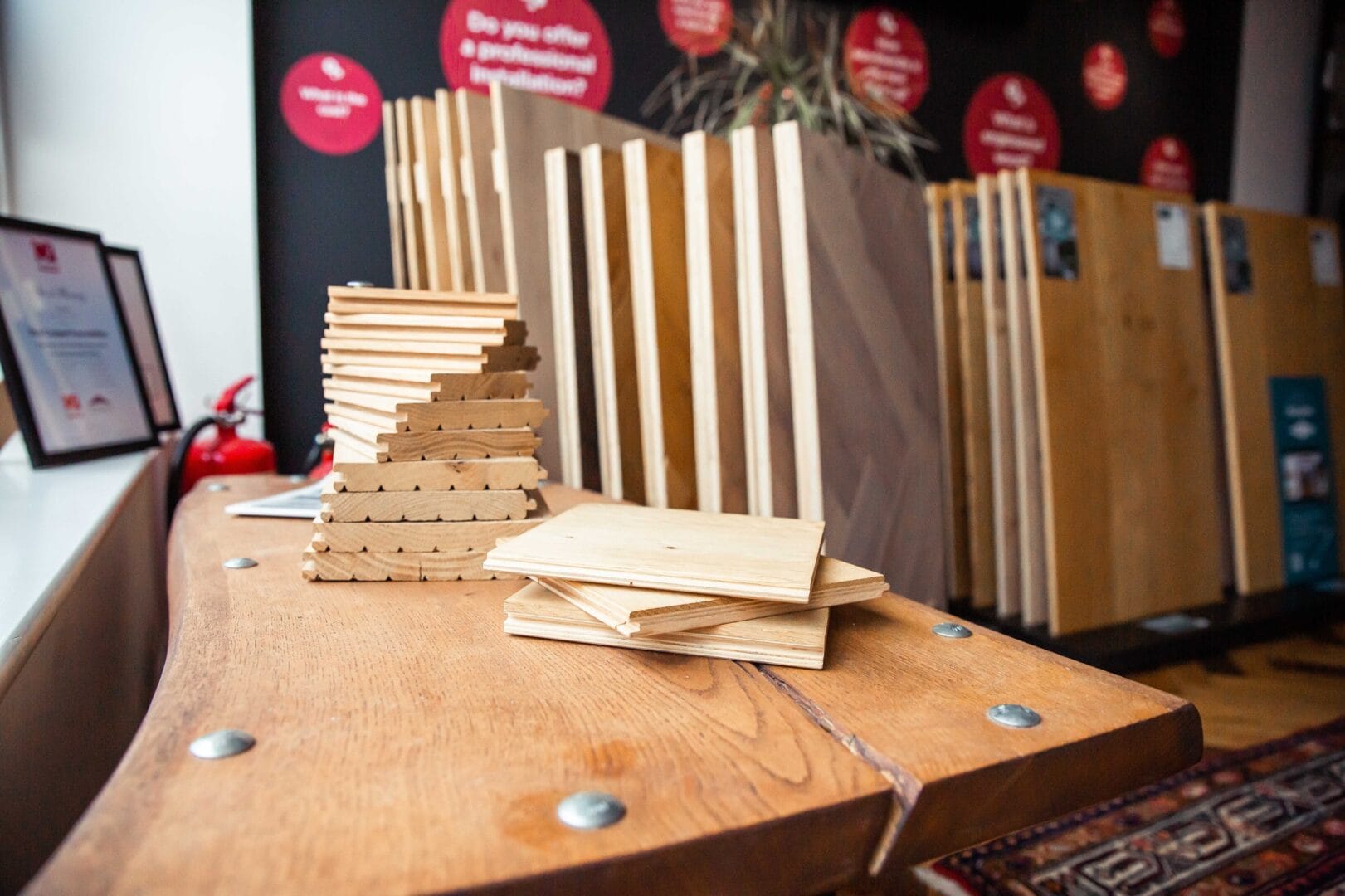
Multi-ply engineered wood flooring combines a real hardwood wear layer with multiple cross-layered plywood sheets to create a stable, durable floor. Compared with many solid wood and three-layer engineered flooring options, its construction helps reduce movement caused by changes in moisture and temperature, making it an excellent choice for modern homes, including those with underfloor heating.
Engineered wood flooring is made by bonding layers of timber together rather than using a single piece of solid wood. The visible surface is genuine hardwood, giving the floor the natural beauty and character of oak, walnut or other timber species, while the layers beneath provide strength and stability.
Multi-ply engineered wood flooring takes this construction a step further by using several layers of plywood beneath the hardwood wear layer. Each layer is arranged with its grain running in the opposite direction to the next. This cross-layered design helps reduce movement caused by seasonal changes in moisture and temperature.
The number of layers can vary between manufacturers, but quality matters more than quantity. A well-made multi-ply board combines a durable plywood core, a suitable wear layer and a high-quality finish to create a floor built for everyday living.
If you're still deciding between different flooring types, our guide to engineered wood flooring explains how engineered construction compares with other wood flooring options.
Wood naturally expands and contracts as humidity changes throughout the year. While this movement is completely normal, excessive movement can lead to gaps, cupping or lifting if the flooring is not suited to its environment.
Multi-ply engineered flooring reduces this movement because the plywood layers work together to resist expansion and contraction. The result is a floor that remains more stable than many solid wood alternatives, particularly in homes where heating and humidity fluctuate.
This makes multi-ply flooring especially suitable for:
Although multi-ply flooring offers better moisture resistance than solid wood, it is not waterproof. Spills should still be cleaned promptly, and the floor should always be installed according to the manufacturer's guidance.
Three-layer engineered flooring is built with a hardwood wear layer, a central core and a backing layer. A good-quality three-layer floor performs well in many homes, but multi-ply construction generally offers greater stability because of its additional plywood layers.
| Feature | Multi-Ply | Three-Layer |
| Stability | Excellent | Very Good |
| Moisture Resistance | Excellent | Good |
| Wider Planks | Well suited | Product dependent |
| Underfloor Heating | Usually suitable | Usually suitable |
| Cost | Higher | Moderate |
While multi-ply flooring often commands a higher price, it's important to compare the overall construction rather than focusing solely on the number of layers. Wear layer thickness, core quality and manufacturer warranty all contribute to long-term performance.
Solid wood flooring remains a premium choice, but it reacts more readily to changes in temperature and humidity because each board is made from a single piece of timber.
Multi-ply engineered wood flooring offers the same authentic wood appearance while providing greater dimensional stability, making it a practical choice for many modern homes.
| Feature | Multi-Ply Engineered | Solid Wood |
| Appearance | Real hardwood surface | Solid timber throughout |
| Stability | Excellent | Moderate |
| Underfloor Heating | Usually suitable | Often limited |
| Moisture Resistance | Better | Lower |
| Refinishing | Depends on wear layer | Multiple times |
For homeowners looking for the warmth of real wood without many of the challenges associated with solid timber, multi-ply engineered flooring often provides an excellent balance between appearance and practicality.
You can also see how engineered flooring performs in real homes by exploring this Case Study featuring Engineered Oak Flooring in a Cambridge Property.
The biggest advantage of multi-ply construction is stability, but that's only part of the picture. A well-manufactured floor also offers greater flexibility when choosing wider planks, contemporary finishes and installation methods.
Key benefits include:
From an installer's perspective, a stable board also makes achieving a high-quality finish more predictable, provided the subfloor is correctly prepared and moisture levels have been checked before installation.
No flooring is perfect, and it's worth understanding the limitations before choosing multi-ply engineered flooring.
Premium products generally cost more than standard engineered flooring or laminate because of their construction and higher-quality materials. Performance also varies between manufacturers, so two products described as "multi-ply" may differ significantly in build quality.
Other points to consider include:
The best results come from choosing the right product for the room, preparing the subfloor properly and using an installation method recommended by the flooring manufacturer.
The wear layer is the real hardwood surface of the board. Its thickness plays an important role in how long the floor will last and whether it can be sanded and refinished in the future.
As a general guide:
| Wear Layer | Typical Performance |
| 2mm | Suitable for lighter residential use with limited refinishing potential |
| 3mm | A good choice for most homes and may allow refinishing |
| 4mm+ | Greater longevity and more opportunities for refinishing |
While a thicker wear layer is often desirable, it should be considered alongside the overall quality of the board, including the plywood core, finish and manufacturer warranty.
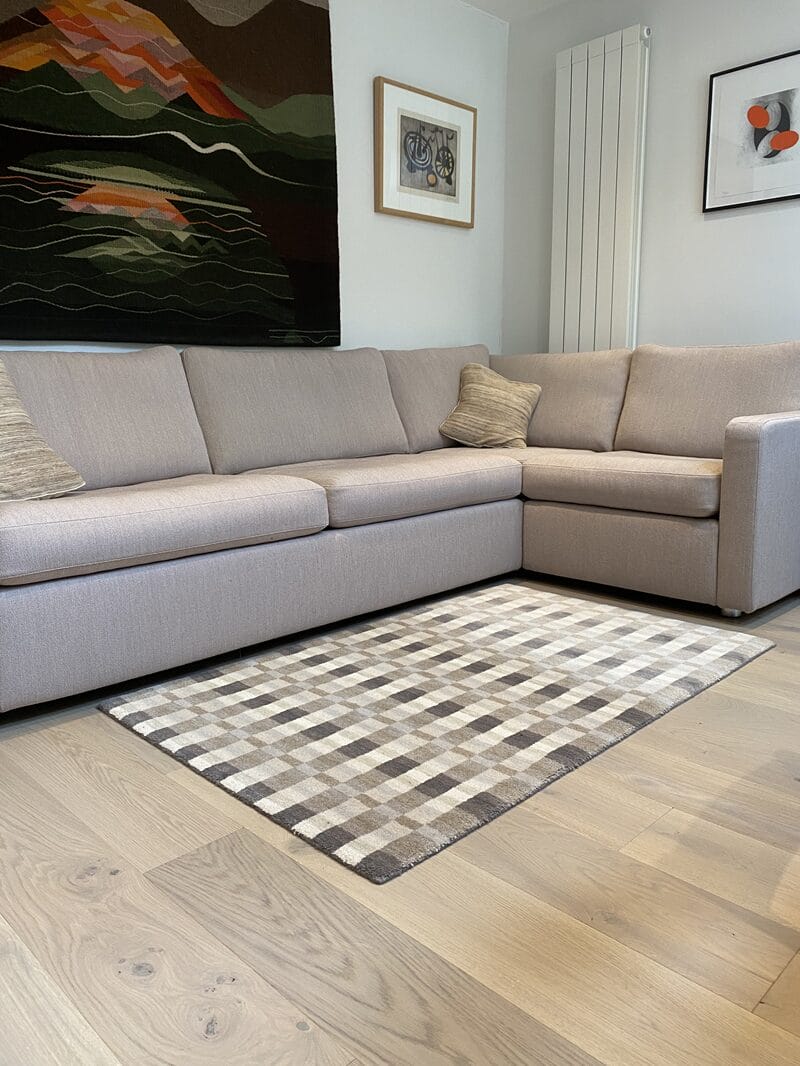
Many multi-ply engineered flooring products are designed to work with underfloor heating because their cross-layered construction helps minimise movement as temperatures change. However, suitability depends on the individual product, so it's important to follow the manufacturer's installation guidance.
Most manufacturers recommend that the floor surface temperature does not exceed 27°C. The heating system should be brought up to temperature gradually, and the room should maintain a consistent level of humidity to protect the timber.
The National Wood Flooring Association also recommends controlling indoor humidity to help reduce seasonal movement in wood flooring.
The cost of multi-ply engineered wood flooring depends on several factors, including the timber species, wear layer thickness, plank dimensions and installation method.
Although premium products usually cost more than standard engineered flooring, they often provide better stability and a longer service life, making them a worthwhile investment for many homeowners.
When comparing quotations, don't focus solely on the price of the boards. Ask whether the quotation includes:
Looking at the complete installation cost gives a much clearer picture of overall value.
Rather than choosing a floor based on colour alone, think about how the room is used.
For busy family homes, consider:
If you're investing in a premium floor, it is also worth discussing the project with an experienced flooring specialist who can assess your subfloor and recommend the most suitable installation method.
Our guide on the Knowledge Centre also offers practical advice to help homeowners compare different wood flooring options before making a decision.
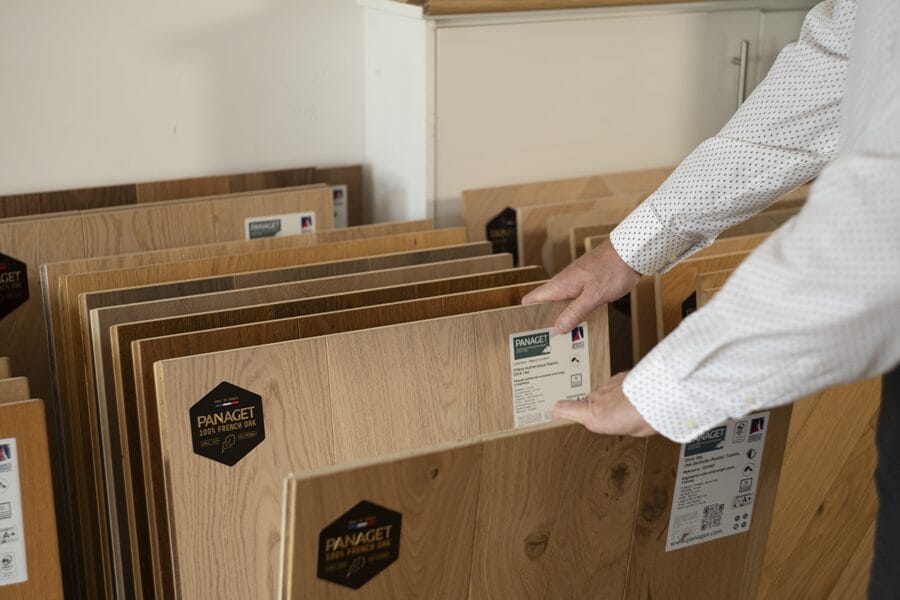
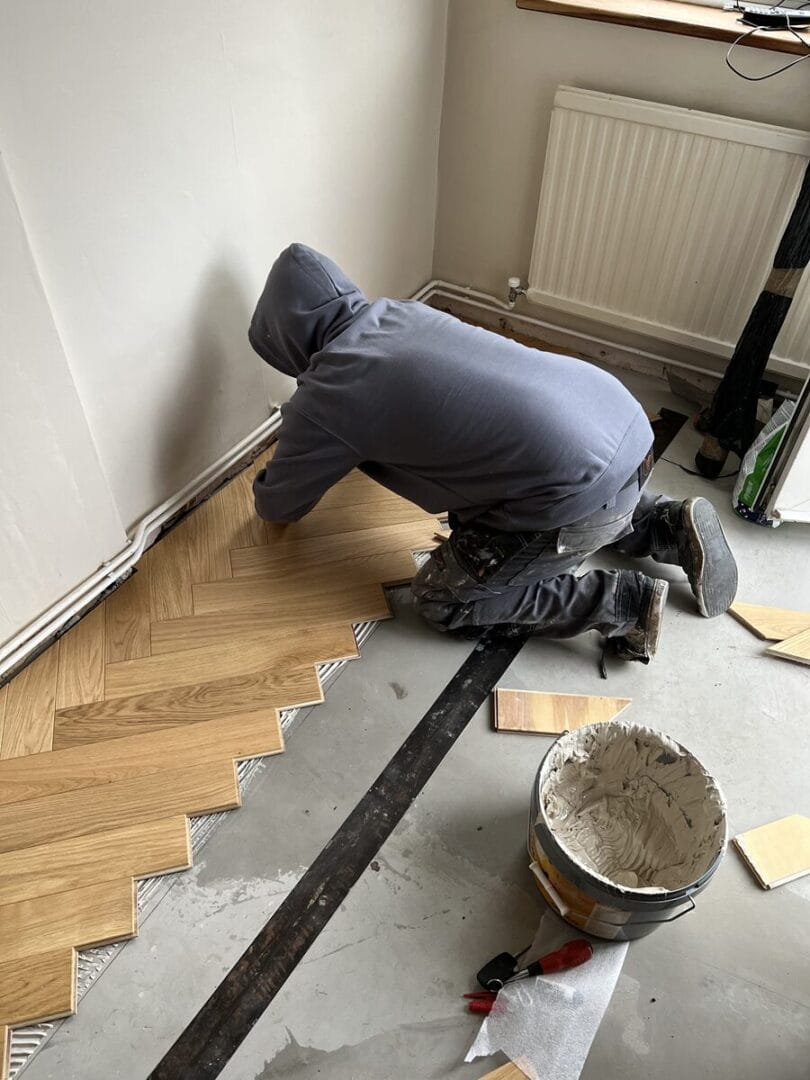
Multi-ply engineered flooring can be installed as a floating, glued-down or nailed-down floor, depending on the product and subfloor.
Whichever method is used, good preparation is essential. The subfloor should be clean, level and dry before installation begins, and the flooring should be acclimatised according to the manufacturer's recommendations.
Once installed, maintenance is straightforward:
If your floor eventually begins to show signs of wear, professional flooring restoration may be possible, depending on the thickness of the wear layer.
Many homeowners focus on appearance first, but choosing the right construction is just as important.
Common mistakes include:
Taking time to compare specifications and seeking professional advice before purchasing can help avoid expensive mistakes later.
For many homeowners, the answer is yes.
Multi-ply engineered wood flooring combines the natural beauty of real hardwood with the stability needed for modern homes. Its layered construction makes it well suited to larger rooms, underfloor heating and environments where temperature and humidity fluctuate throughout the year.
Although it usually costs more than basic engineered flooring, a high-quality multi-ply floor offers long-term value through improved durability, better stability and a premium appearance.
If you're comparing flooring options for your home, speaking to an experienced flooring specialist can help you choose a product that suits your property, lifestyle and budget. With the right advice and professional installation, a well-made multi-ply floor can provide decades of reliable performance.