To enable us to give you our full attention during your showroom visit, please book an appointment
- Opening Hours
Showroom Open by Appointment Only
Monday - Friday 9:00am - 5:00pm
Saturday or Sunday 9:00am - 3:00pm

To enable us to give you our full attention during your showroom visit, please book an appointment
Solid wood floor maintenance is mostly about consistency. Dry clean little and often to remove grit, then damp clean weekly with a well-wrung microfibre mop and a pH-neutral cleaner that suits your finish. Keep moisture under control (including indoor humidity), protect high-traffic areas with mats and felt pads, and avoid steam mops or harsh chemicals. If the finish starts to look dull or water no longer beads, a timely professional recoat can prevent wear from turning into a full sand and refinish.
My priority is that you feel informed and in control. This is the simple routine that protects the finish, keeps the floor looking good, and helps you avoid expensive guesswork later.
A solid wood floor is one of the few surfaces in a home that can genuinely age with you. It can also feel a bit nerve-wracking at first, especially with children, pets, or busy kitchens, because wood reacts to real life.
The good news is that solid wood flooring is forgiving when it is cared for in the right way. The aim is not perfection. It is to protect the finish, manage moisture, and stop daily grit from acting like sandpaper. When you get those three things right, your floor stays warm, calm, and good-looking for the long term.
If you are still at the choosing stage, it may help to read our overview of wood flooring so you understand what you have and what finish type you are likely living with.
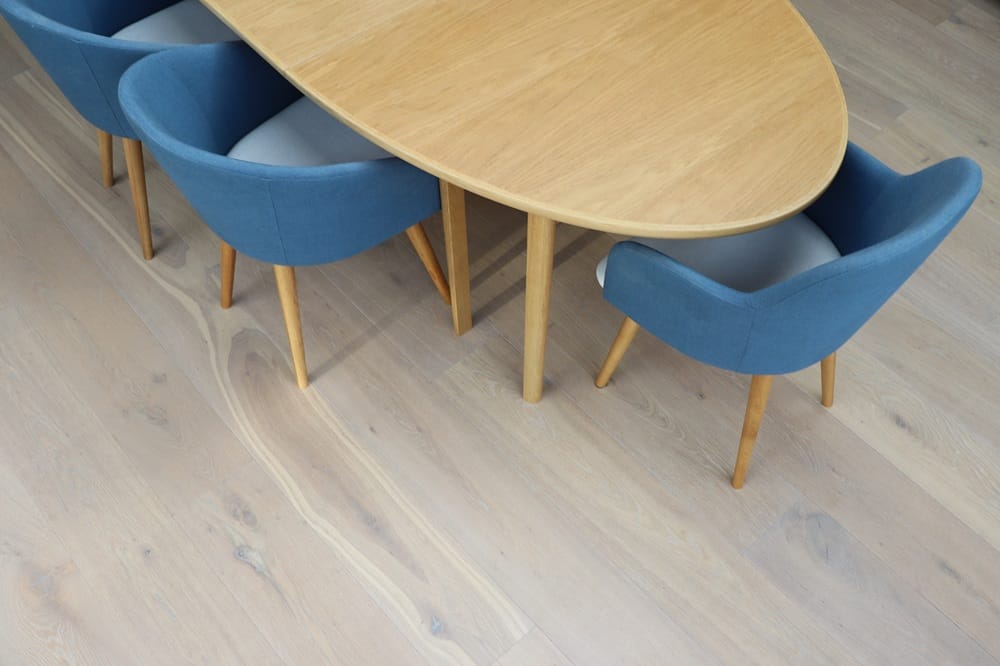
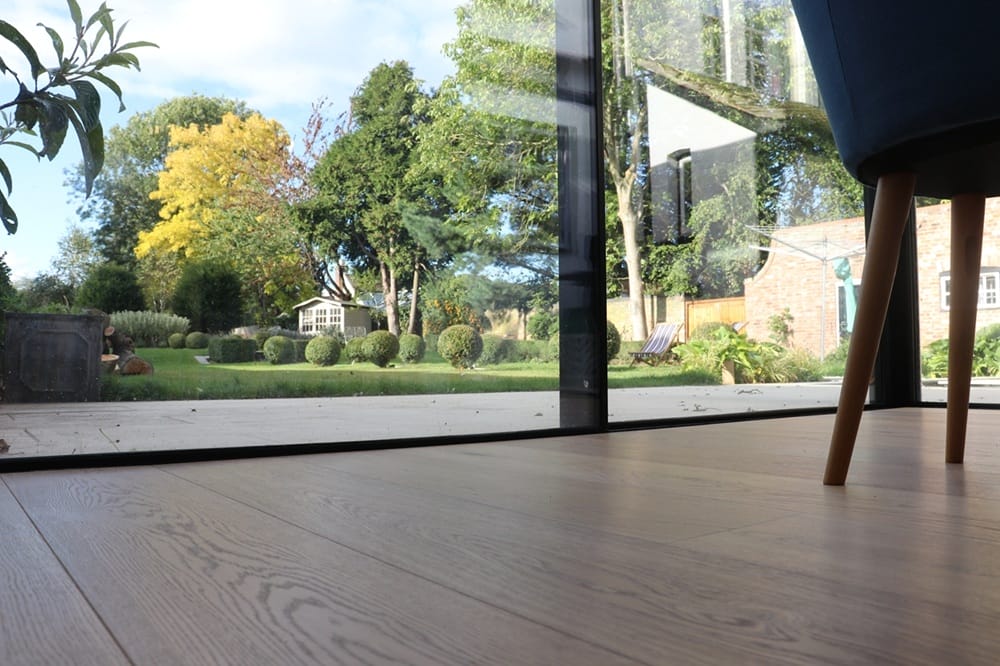
Before you choose a routine, it helps to understand what you are actually maintaining.
A solid wood board is a single piece of timber. It can usually be sanded and refinished more times than most engineered boards, but it is also more sensitive to humidity swings because it expands and contracts with the seasons.
Engineered wood has a layered construction, which usually makes it more stable in modern homes with central heating and bigger temperature changes. The point is not that one is “better”. It is the floor type that affects how careful you need to be with moisture and which long-term care options are available later.
Most maintenance confusion comes from treating every wood floor the same. Two broad categories matter:
Quick check (safe and simple): in an inconspicuous corner, place a tiny drop of water on the surface.
For wider guidance on timber floors and what “normal” looks like as they age, you can also browse the National Wood Flooring Association resources (helpful for understanding terms and maintenance principles).
This is the “prolong the life” part, and it is simpler than most people expect.
If you want one simple rule, it is this: clean with as little moisture as possible, as often as needed.
Treat any spill as time-sensitive. Blot, do not rub. Then dry the area. This is how you reduce the risk of staining and swelling in real wood.
A lot of “tips and tricks” online create slow problems. The floor starts to look dull, feels sticky, or shows cloudy patches, and the owner assumes the wood is failing. Often, it is product residue, incompatible cleaners, or too much water.
Avoid:
If in doubt, do not experiment on a whole room. Test a product in a tiny hidden corner first, or ask for guidance before you commit.
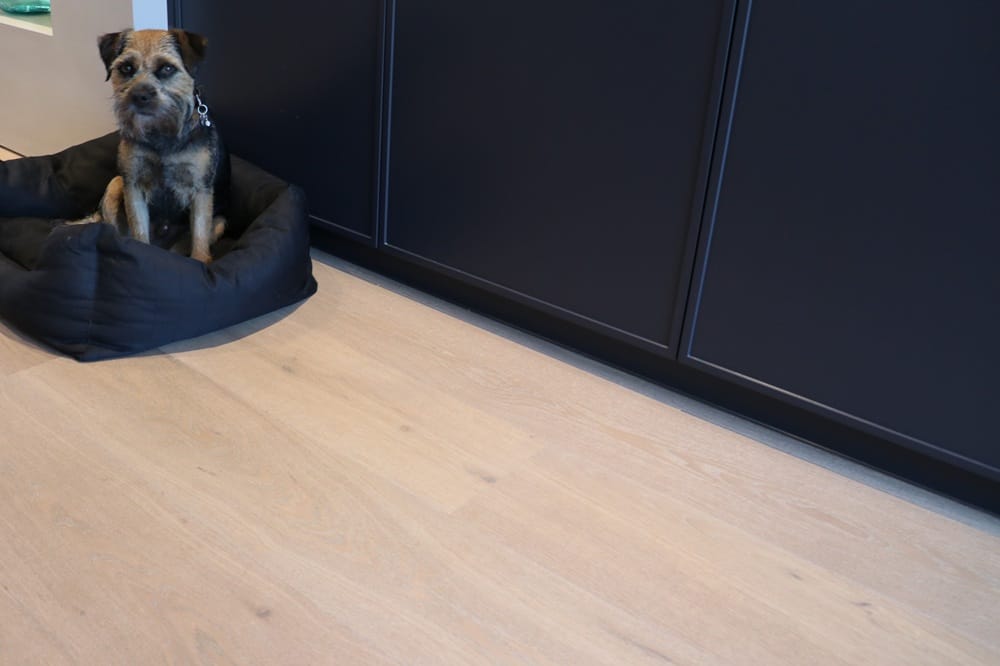
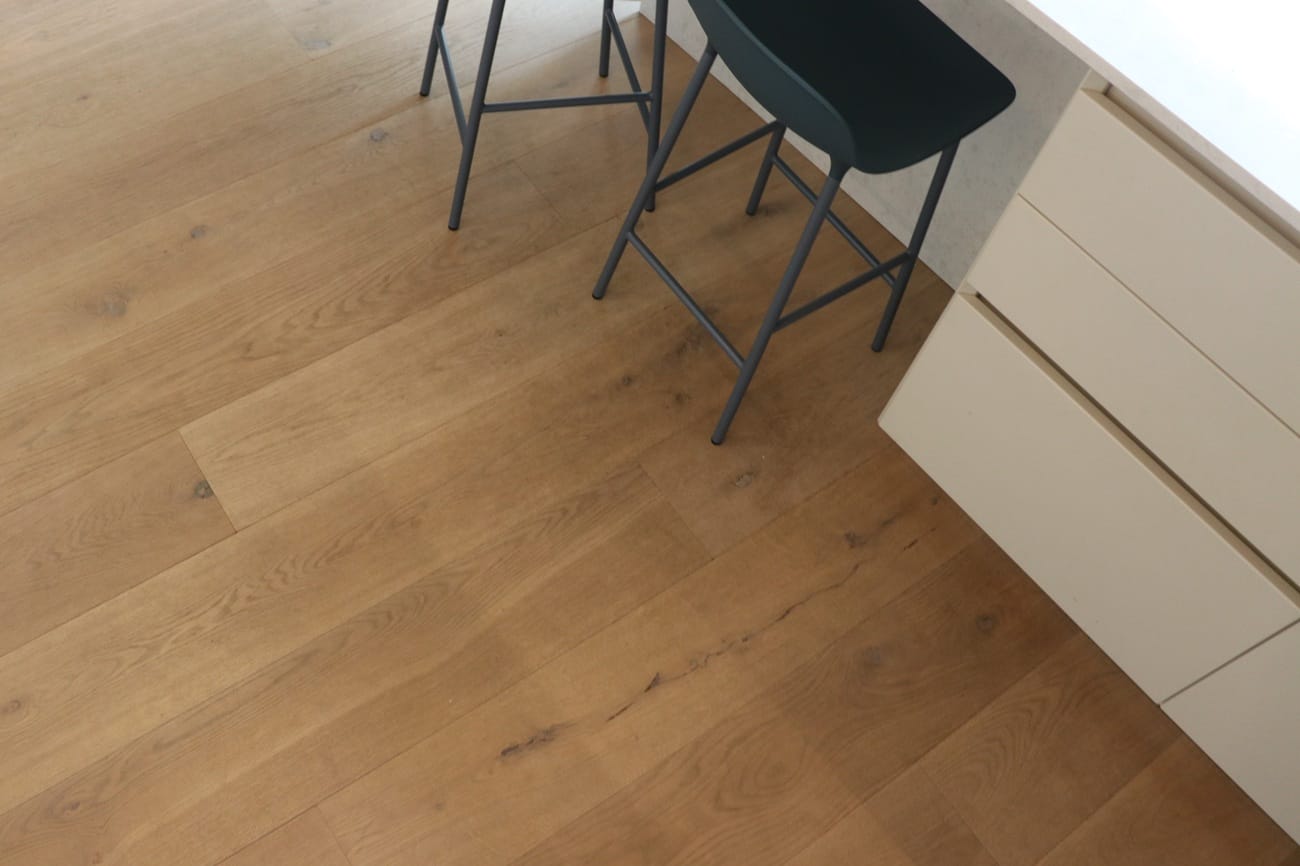
Wood responds to humidity changes. In winter, heated air is drier, and boards can contract. In summer, higher moisture levels can cause expansion. A stable indoor environment helps reduce movement and lowers the risk of gaps, cupping, or crowning.
A small hygrometer can be surprisingly reassuring. It turns “mystery movement” into something you can manage calmly. For UK training and best-practice standards around flooring and care, FloorSkills is a useful reference point.
Protection is where you win the long game, especially in busy homes.
This is quiet floor care, and it works.
If you remember one thing from this section, make it this: most serious wood floor problems start with moisture.
Steam, wet mops, and slow leaks around dishwashers, sinks and radiators are common culprits. The goal is to prevent water damage from becoming structural.
There are three levels of long-term maintenance. Knowing the difference stops expensive guesswork.
A recoat adds a fresh protective layer over an existing finish before the wood is exposed. It suits floors that look dull in traffic lanes, have light surface scratches, or no longer bead water reliably.
Refinishing is the bigger reset. It is usually needed when you can see bare or greyed wood, deep scratches cut through the finish, or stains have penetrated.
Replacement is usually the last resort. Many wood floors can be revived, but if boards are structurally compromised, too thin, or repeatedly water-damaged, replacement can be the safer route.
If you would like to explore the “act early” route, our floor restoration work includes recoating advice and suitability checks, so you do not end up doing more than you need.
These areas take the most wear. Dry clean more often, use runners, and keep felt pads fresh under furniture that shifts.
Wood in kitchens can be fine, but it needs respect. Use mats near sinks and cookers, wipe spills as they happen, and keep your routine low-water. If you have an oiled finish, avoid random sprays and polishes that can create patchy build-up.
These are kinder environments. You can damp clean less often, and you may find the finish holds longer.
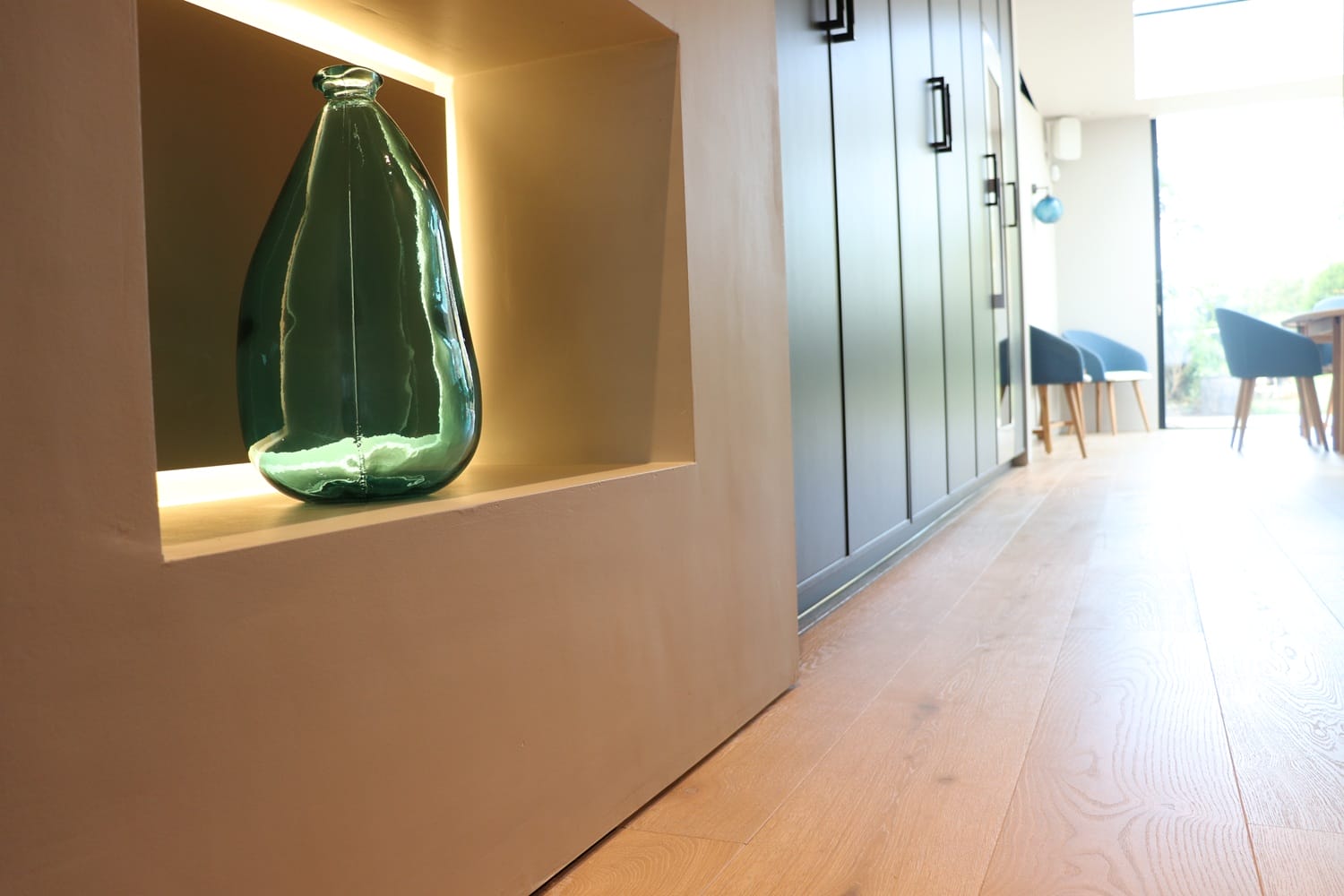
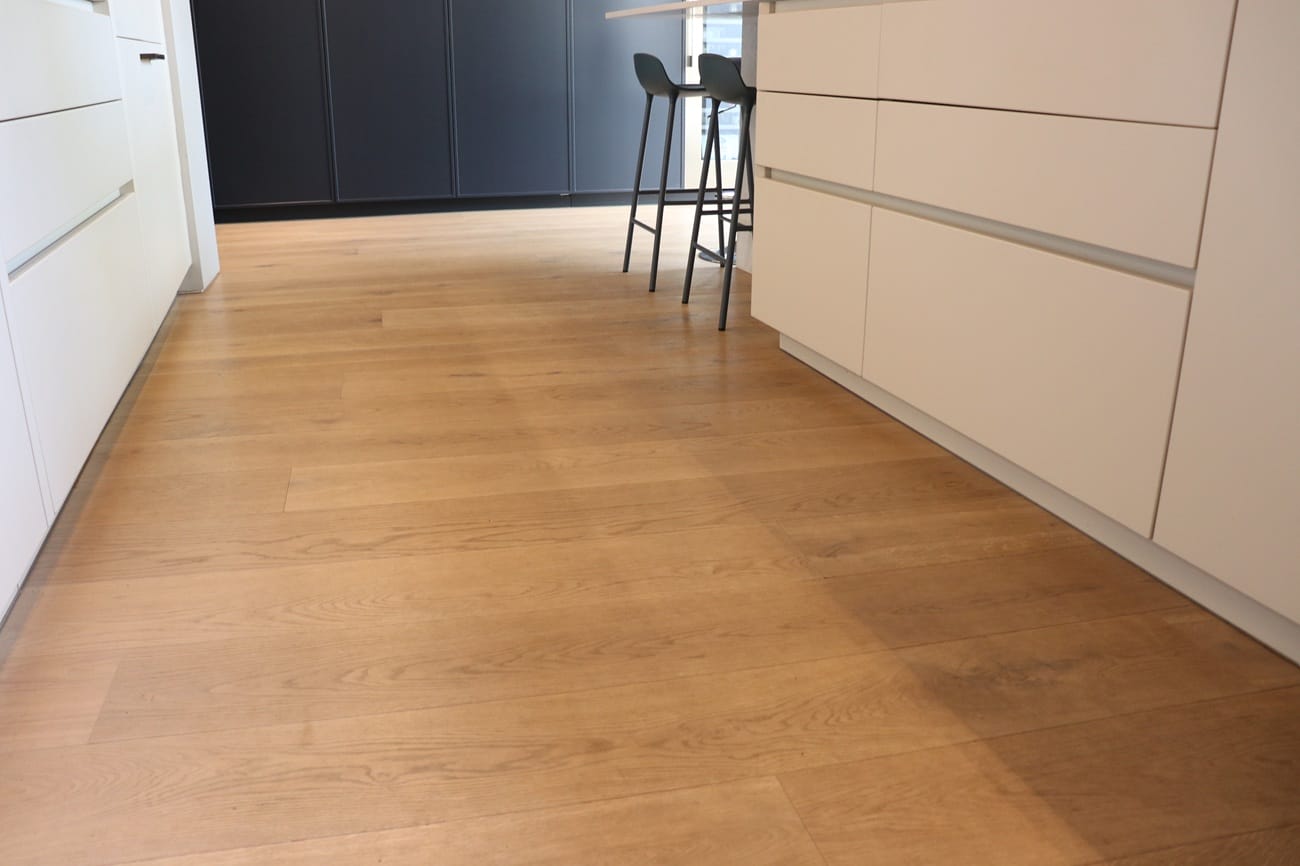
Often this is a finish issue, not a wood issue. Depending on your finish, a targeted touch-up may help, but avoid layering random products.
If it is through the finish and into the timber, it may need a board repair or localised refinish. This is a good “call a professional” moment.
Seasonal gaps in winter can be normal. If gaps are large, persistent, or paired with movement, humidity control and a professional check is wise.
This is usually product build-up, mixing cleaners, or using a multi-surface spray not meant for wood. The fix is often a careful reset, not more product.
Safe DIY tasks:
When to bring in a professional:
A good professional should explain what they are doing and why, and help you protect the floor long term, not just make it look better for a week.
Solid wood floors do not need fussy routines, but they do need the right habits. If you are not sure whether your floor is oiled or lacquered, or you suspect the finish is starting to wear thin, get advice before you try new products.
If you would like help identifying your finish or working out whether a recoat is the right next step, speak to Art of Flooring for a practical recommendation. You can start with a quiet visit to our Cambridge showroom, or message us with a photo and a few details.