To enable us to give you our full attention during your showroom visit, please book an appointment
- Opening Hours
Showroom Open by Appointment Only
Monday - Friday 9:00am - 5:00pm
Saturday or Sunday 9:00am - 3:00pm

To enable us to give you our full attention during your showroom visit, please book an appointment
Solid wood flooring cost in the UK varies most once you include fitting and the “hidden” extras. In 2026, supply-only boards often start from around £80 per m² and can reach £250 per m² at the premium end, with installation commonly adding £50–£70 per m², plus uplift, prep and finishing details. This guide shows what drives the total, what to ask for in a quote, and where budgets usually go wrong.
Your quote can change after uplift because the truth lives under the old floor.
Cost snapshot (typical ranges, 2026 UK)
20m² room reality check: You are usually combining boards + fitting + uplift, then adding edge decisions on top. The quote often changes after uplift because the truth lives under the old floor.
Solid wood flooring is exactly what it sounds like: each board is a single piece of hardwood (not a layered construction). That’s why it feels so “real” underfoot, and why it needs proper site conditions.
In plain English: wood moves. It expands and contracts with changes in humidity and temperature. Solid wood can be incredibly long-lived, but it rewards the boring (important) stuff: acclimatisation, moisture checks, and a genuinely flat subfloor.
A small anecdote from the shop floor: a couple once picked a beautiful solid oak for a Victorian hallway because it “felt like the forever choice”. Great instinct. The twist? The old floor came up and revealed a subfloor that looked smooth until you ran a straight edge across it. Once we levelled properly, the hallway stopped creaking, the boards sat tight, and the whole house felt calmer. That’s the difference between a floor you admire and a floor you trust.
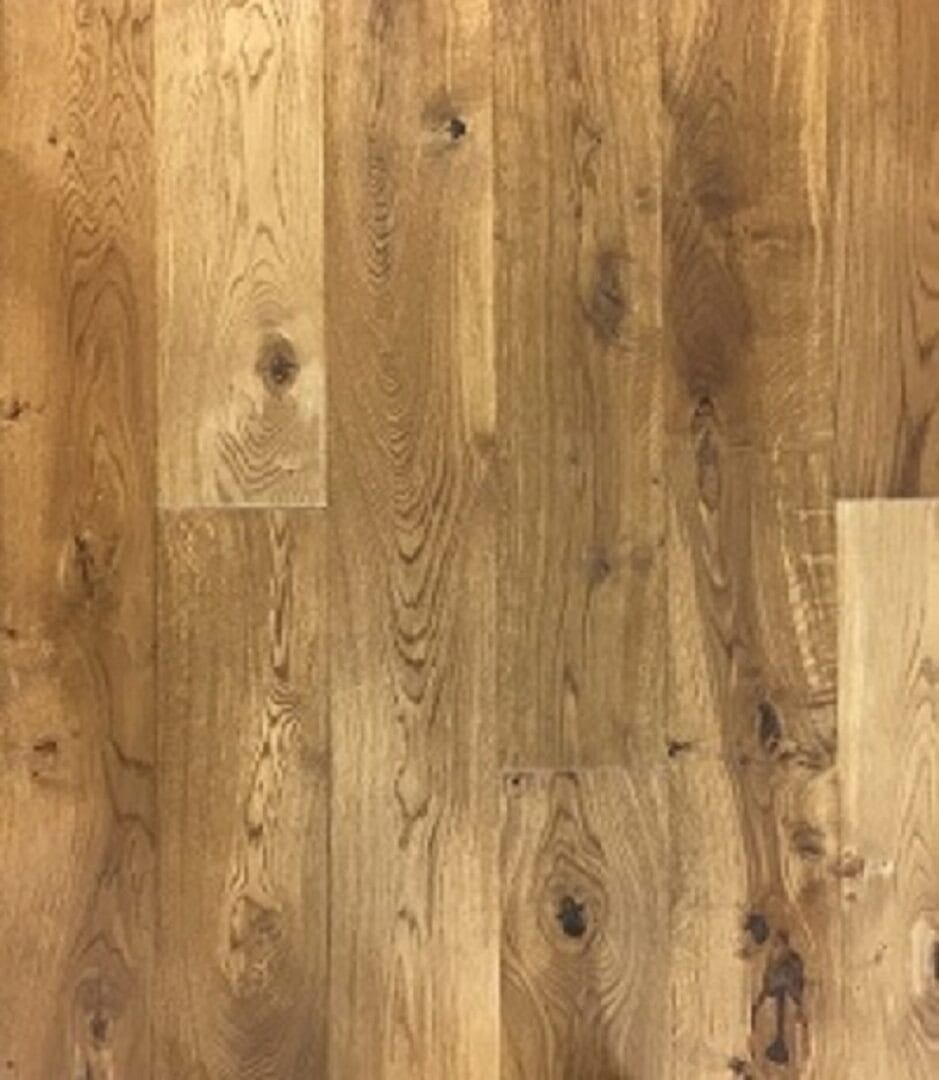
Species and spec (oak, walnut, maple, etc.)
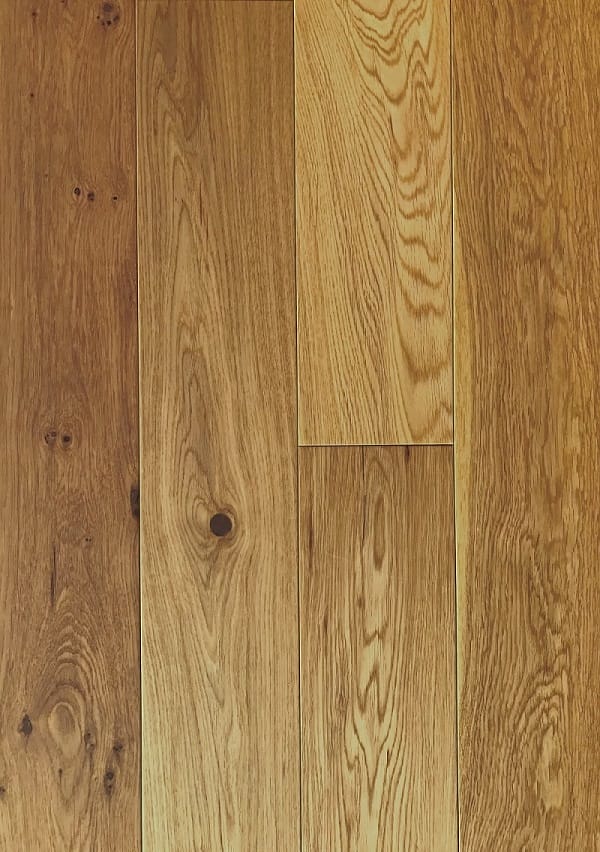
The headline word “solid” isn’t enough. Species, grading, and sourcing affect the price, and also how the floor behaves.
Grade, width, and thickness
Wider boards often look gorgeous, but they can demand more care in fitting. (Lovely aesthetics do sometimes come with a bit more labour.)
Finish: oiled vs lacquered
This affects the feel and maintenance style. It’s not about “best”, it’s about what suits your home and patience levels.
Pattern choice (plank vs herringbone/parquet)
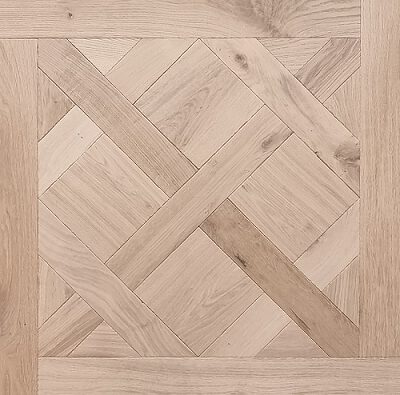
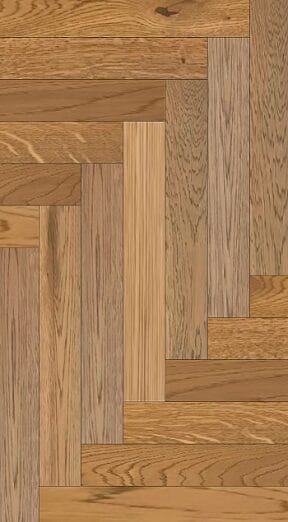
Herringbone and borders are more set out, more cuts, more time, so labour tends to rise accordingly.
Subfloor condition & prep
This is the quiet hero. It’s hidden, so some people skimp. Done properly, it protects the whole investment. https://uk.fsc.org/what-is-fsc
In the 2026 ranges we’re using, labour commonly lands around £50 per m² for simpler installs and up to £70 per m² when complexity increases (stairs, tricky cuts, patterns, borders).
And yes, adhesives matter. A practical benchmark: one tub covers roughly ~15 m², and costs around ~£50, sometimes £70+ for more specialist solutions (often tied to board format and performance needs).
10m² hallway (mid-range oak, straight plank)
Small rooms can be deceptively fiddly: more cuts, more thresholds, more “edges”. You’ll still be combining supply-only board cost + labour + uplift, plus possible door trimming and tidy finishes.
20m² living room (herringbone look)
Expect higher labour than a straight plank because setting-out is everything. A herringbone that’s even a few millimetres off at the start will announce itself forever.
50–60m² open-plan space (premium feel)
Bigger spaces can be better value per m² on labour, but they often reveal subfloor realities after uplift, and they magnify movement and sunlight effects. Planning matters. bespoke-wood-flooring-in-cambridge-home
Solid wood’s charm is that it can be renewed. The document set we’re using describes solid wood as 80–100 years+ potential lifespan, with the ability to refinish ~4–10 times depending on thickness and prior sanding. Many floors are sanded on a rhythm of roughly every 15–20 years, depending on traffic and wear. https://trada.co.uk/publications/wood-information-sheets
For market context, typical sanding and refinishing costs are often quoted around £40–£65 per m² (average shown as £42 per m² in one UK cost guide).
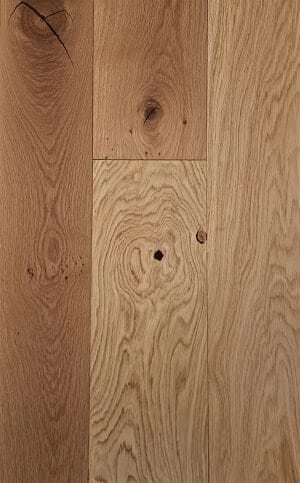
A calm way to compare like-for-like:
If a quote is dramatically cheaper, it’s usually because something important is missing, not because someone found a magical oak tree behind the warehouse. understanding-the-cost-of-wood-flooring
The price ranges in this guide are based on Art of Flooring’s internal pricing reference, which collates typical UK supply-only and installation cost ranges we see when quoting real domestic projects. Figures are shown as ranges because final costs vary with timber grade/species, board format, pattern choice, subfloor condition, and finishing requirements. Your confirmed price will always depend on a site-specific survey and the conditions found after uplift.
A solid wood floor can be one of the most satisfying upgrades you make: timeless, repairable, and properly “yours”.
If you want a quote you can trust, start with two things: accurate measurements and an honest view of the subfloor. Art Of Flooring can help you compare options (including finish and pattern choices), talk through installation, and make sure your quote includes the real costs, not just the boards.