To enable us to give you our full attention during your showroom visit, please book an appointment
- Opening Hours
Showroom Open by Appointment Only
Monday - Friday 9:00am - 5:00pm
Saturday or Sunday 9:00am - 3:00pm

To enable us to give you our full attention during your showroom visit, please book an appointment
Most flooring visits follow the same pattern. Someone measures the room, you look through a few samples, and a price arrives a day or two later. That is what most people expect, and for a long time it is roughly how surveys across the industry have worked.
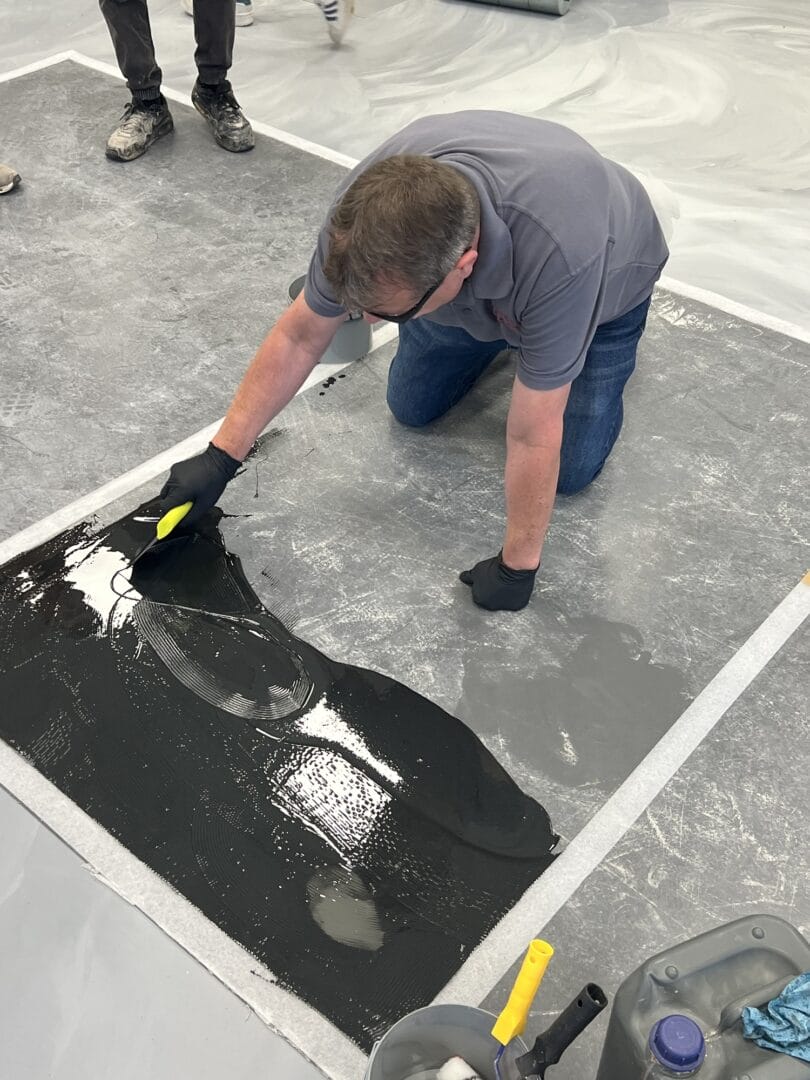
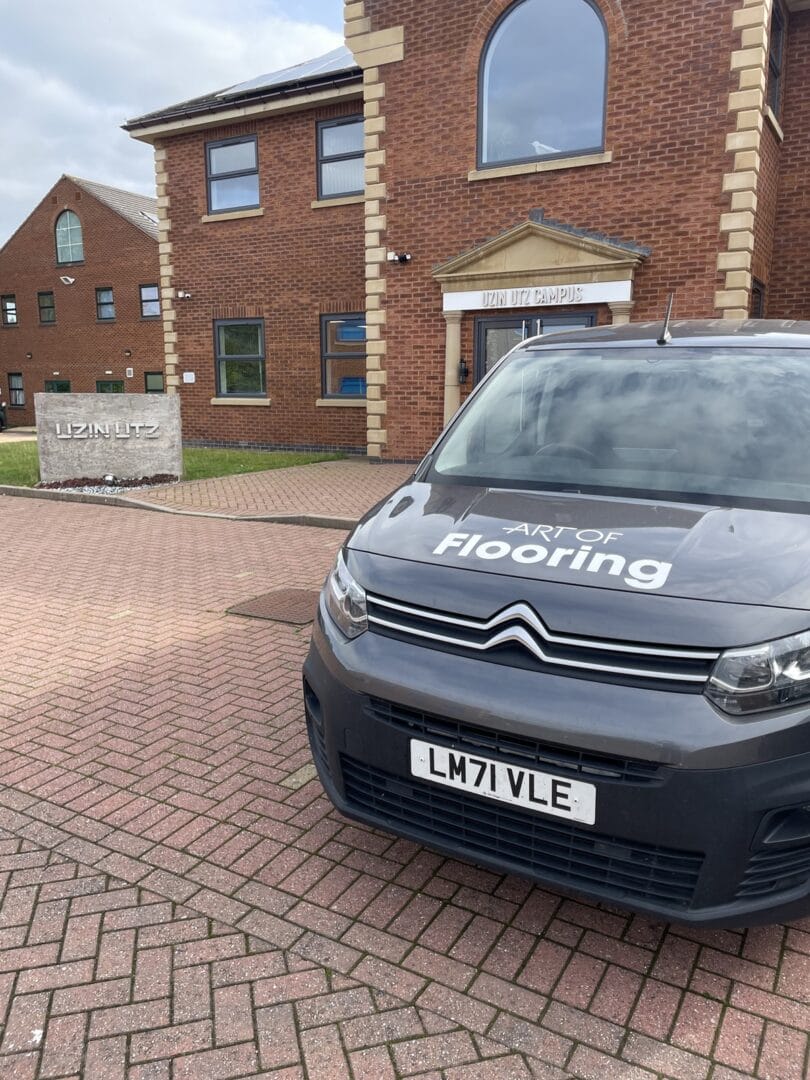
Completing our training with UZIN changed that for us. Not the measuring or the samples, but the order of priorities. The part of a flooring job that causes the most problems is usually the part nobody looks at properly.
The subfloor.
Before the training, a survey could easily centre on room sizes, product choices and installation costs. All of that still matters. But the course made one point very hard to ignore: a floor is only as good as the surface it is laid on.
So when we visit your home now, we're thinking less about what you'd like the floor to look like and more about what it needs in order to perform. The look is your decision. Making sure it lasts is ours.
LVT rarely fails on its own. Adhesive doesn't simply give way, and finishes don't lift or crack at random. When something goes wrong, there is almost always a cause underneath, and it usually comes back to one of these:
Catch them early, and they can be dealt with properly. Miss them, and they tend to show up months later, once the furniture is back and the room is in daily use.
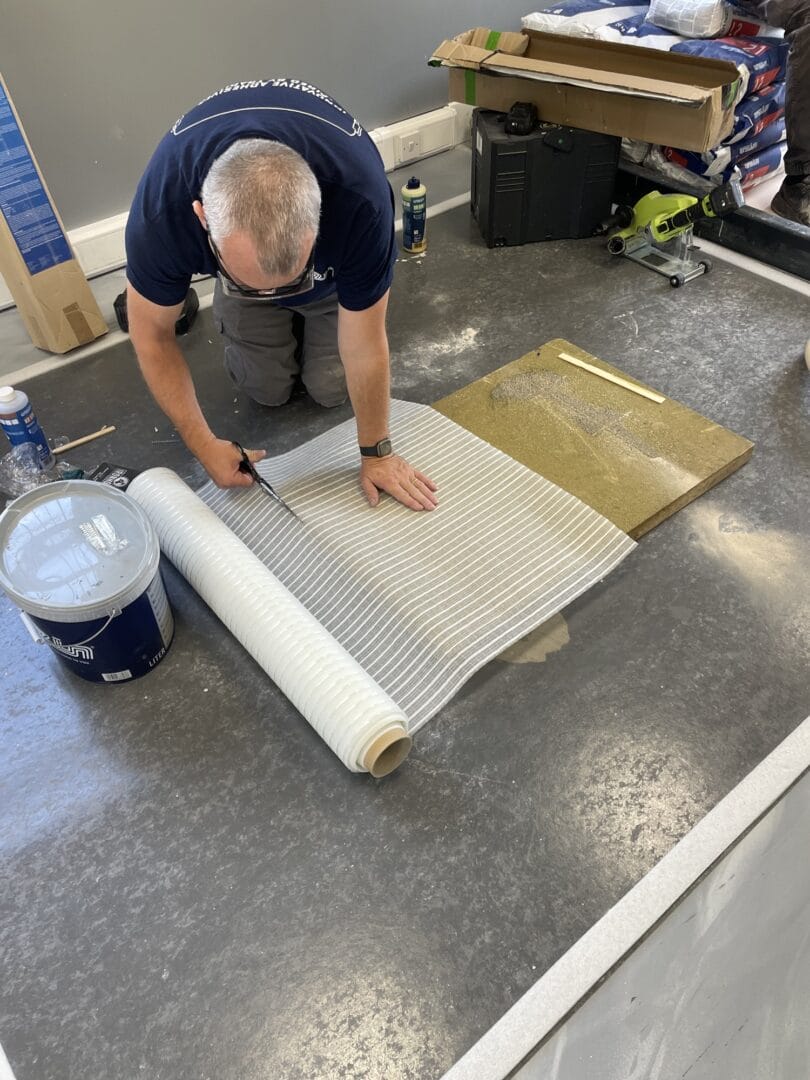
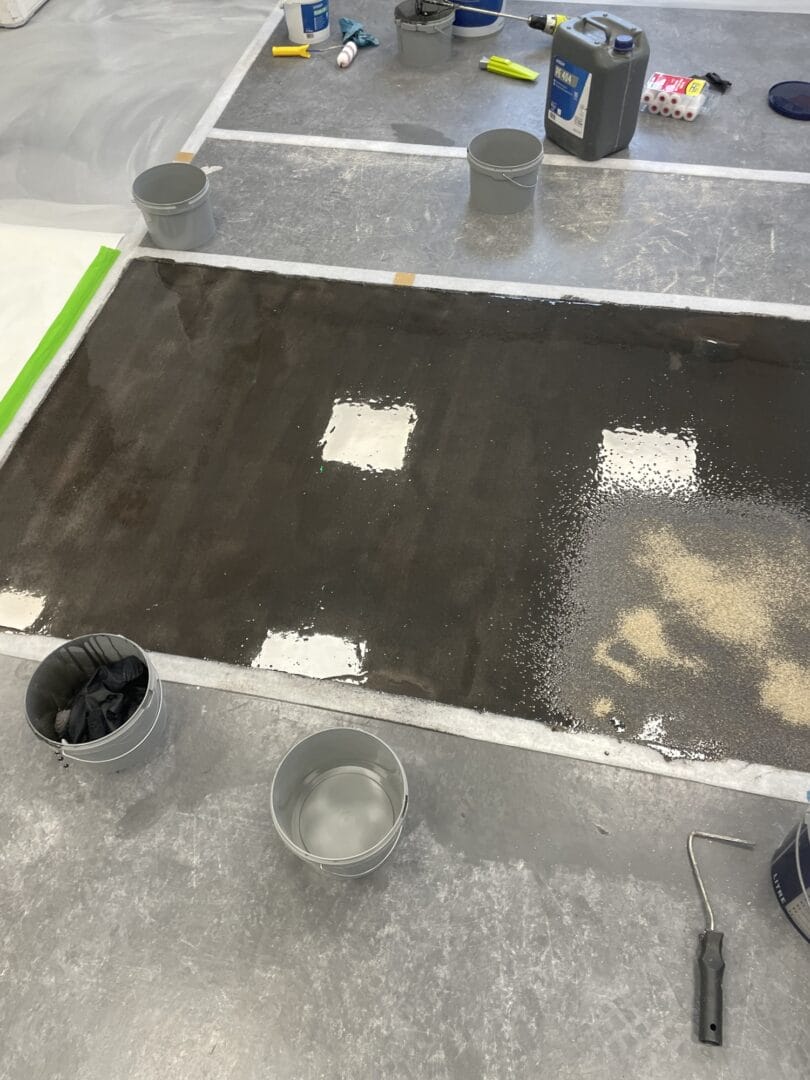
Every visit now includes a deeper level of assessment, built around the same areas UZIN's subfloor preparation training concentrates on. Four things in particular.
Older properties and ground floors especially can hold moisture within the subfloor. You won't know by looking. A floor can seem perfectly dry and still affect how the adhesive bonds and how the flooring behaves over time. For vinyl floors, the British Standard code of practice for installing resilient floor coverings is the reference for how that moisture should be tested before anything is laid.
Where we find it, we may recommend a moisture control system using specialist UZIN products. We don't think of that as an extra. It's protection for everything that goes on top.
We check whether the base is solid, clean and stable enough to take a new installation. If it isn't, we correct it with primers and smoothing compounds, so the flooring has a foundation it can rely on.
Luxury vinyl tiles are made to look crisp and seamless, which is exactly why they're so unforgiving. Even small imperfections underneath will show through. We take the time to level the surface fully, often using UZIN smoothing systems, before a single tile goes down.
The training also sharpened how we think about the conditions a floor will face day-to-day. We now factor in underfloor heating, how much foot traffic a room gets, whether the subfloor is timber or concrete, and the natural movement every building has.
A hallway that takes the school run twice a day is a different proposition from a quiet spare room. Allowing for that means we can recommend the right system for the space, not just a product.
This is probably the change you'll notice most. We're more careful before we quote.
Quoting without understanding the subfloor is where shortcuts creep in, and shortcuts are where problems begin. So our process now runs in a set order:
It can take a little longer. But you'll know what you're paying for and why, and you won't be rushed into a decision.
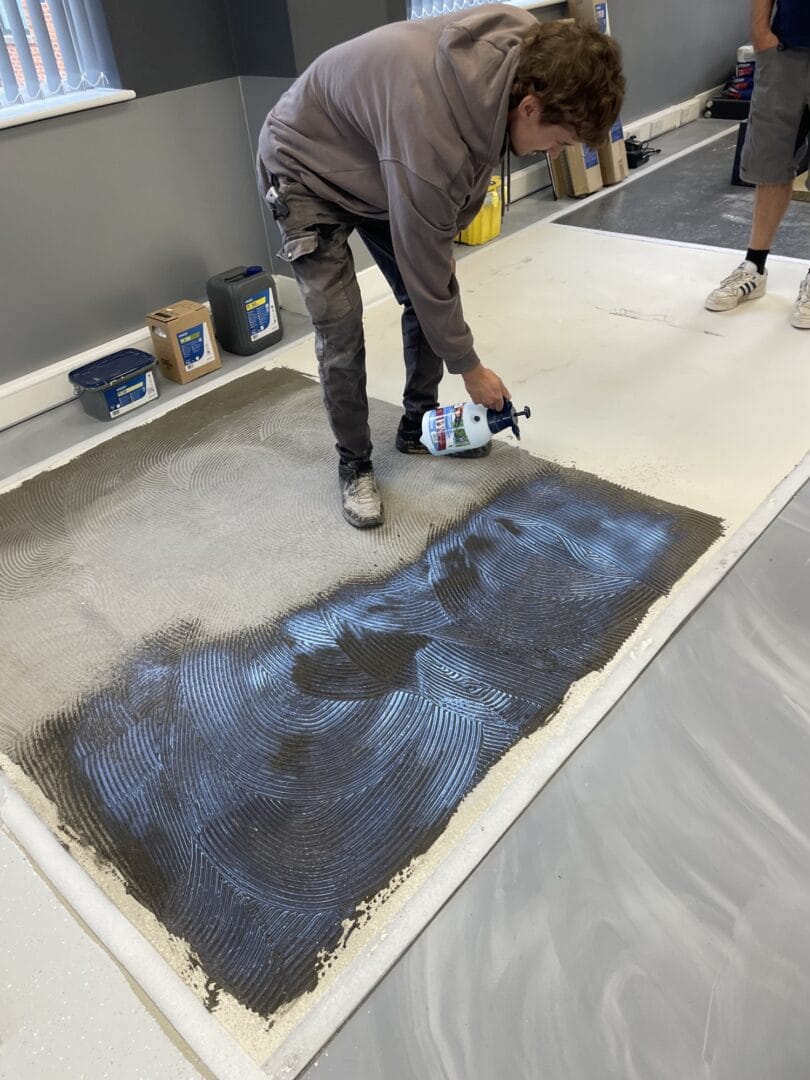
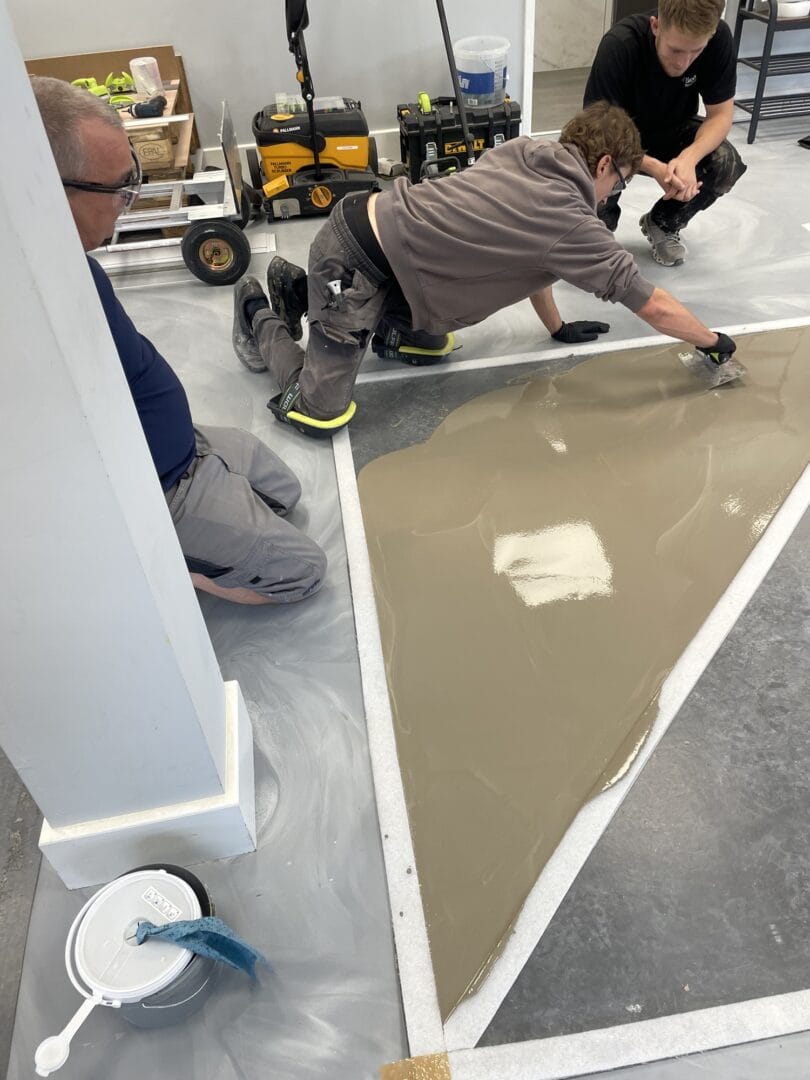
In one recent home, the floor looked ready for fitting. Nothing obvious on the surface. A proper assessment found two things: slight moisture in the subfloor and some minor unevenness across the space.
Left alone, either could have caused the new floor to shift over time, show imperfections through the surface, or need costly repairs later on.
Instead, we installed a full preparation system, including moisture control and smoothing, before fitting the final floor. It looks right now. More importantly, it's built to keep looking right.
The biggest benefit of the training isn't technical. It's peace of mind. Fewer surprises once the work starts, better results over the long term, and a floor that behaves the way you expected when you chose it.
You'll always see the flooring you pick. Whether it keeps looking right comes down to what's underneath, and that is now the part we pay most attention to.
If you're planning new flooring, the sensible first step is a survey. We'll assess your space in detail, explain what we find, and talk through the options that suit your home. No pressure, just clear guidance. If you'd like to see where that leads, our wood flooring guide shows finished projects from homes around Cambridge.
Book a survey, or arrange a visit to our Cambridge flooring showroom on Milton Road to start the conversation.