To enable us to give you our full attention during your showroom visit, please book an appointment
- Opening Hours
Showroom Open by Appointment Only
Monday - Friday 9:00am - 5:00pm
Saturday or Sunday 9:00am - 3:00pm

To enable us to give you our full attention during your showroom visit, please book an appointment
Cheap engineered wood flooring can look like a smart buy at first. The boards may look similar to more expensive options, the finish appears convincing, and the lower price helps keep renovation costs under control.
The problem usually appears later.
A cheaper engineered wood floor often wears faster, scratches more easily, and may not be suitable for sanding or refinishing. In busy homes, that can mean repairs, visible wear, or full replacement much sooner than expected.
This is the real cost of ownership. The upfront price matters, but so do durability, installation quality, lifespan, and how well the floor handles daily use over time.
This guide explains what separates lower-quality engineered flooring from better-built options, what specifications matter most, and how to judge long-term value before you buy.
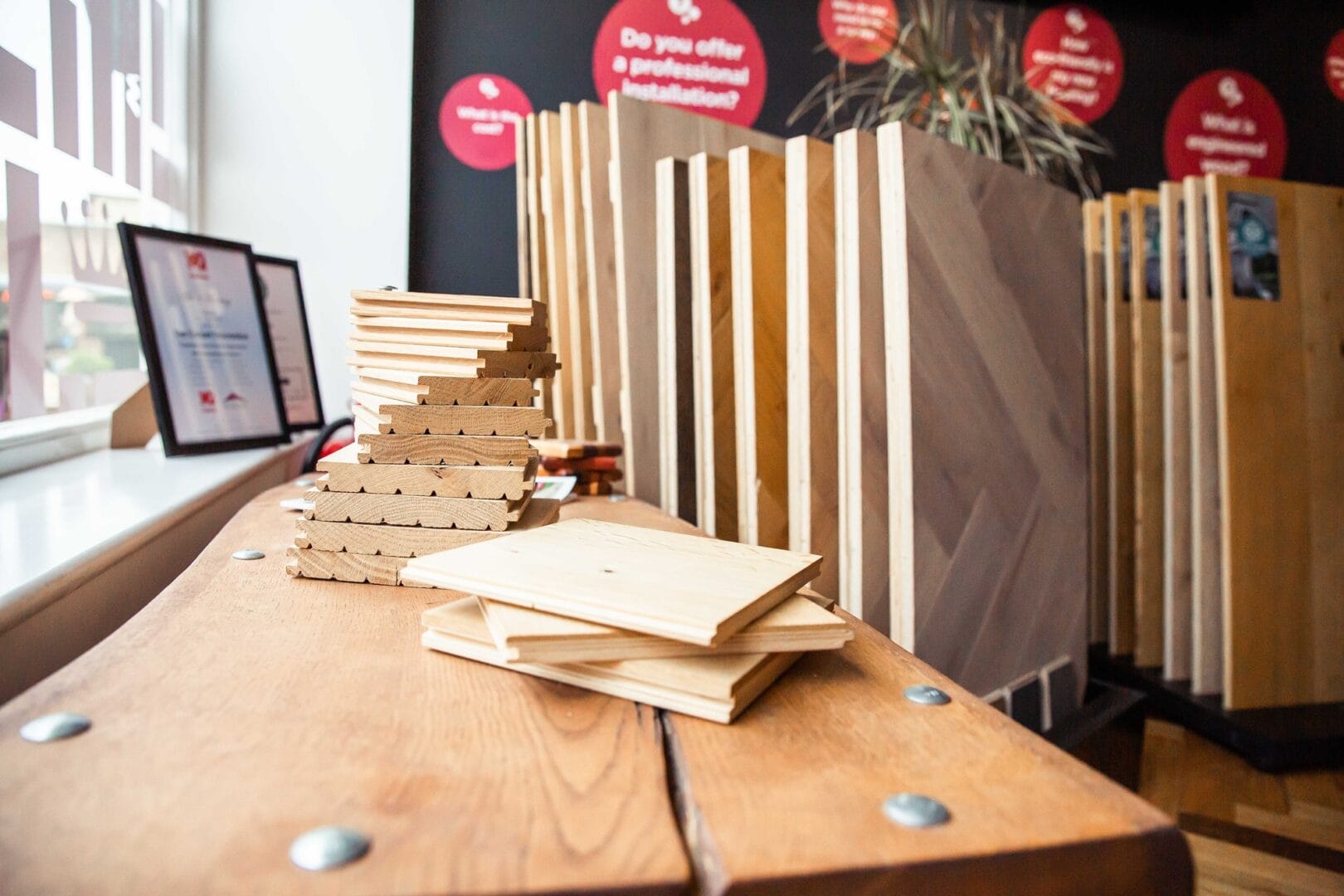
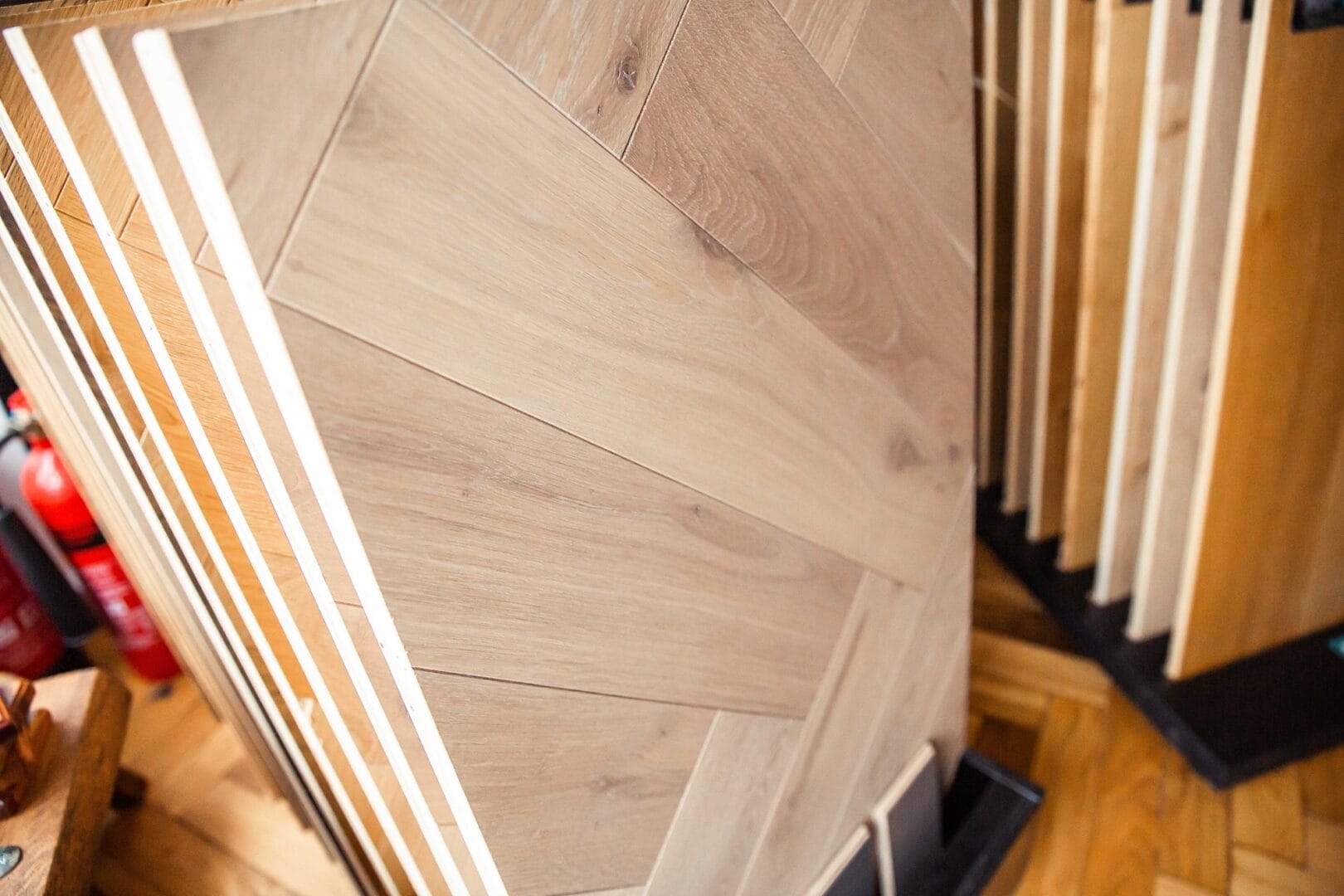
Cheap engineered wood flooring often costs more in the long run because it usually has thinner wear layers, lower-grade core construction, and weaker finishes. That reduces durability, limits refinishing potential, and increases the likelihood of earlier repairs or replacement, especially in high-traffic areas like kitchens, hallways, and living rooms.
An engineered wood floor is made from multiple layers. The top layer is real wood veneer, usually oak or walnut, while the base layer is commonly plywood, HDF, or MDF.
Cheap engineered wood flooring often reduces quality in areas the homeowner cannot immediately see. The wear layer may be under 2mm, and the core construction may use lower-density materials instead of stable multi-ply plywood.
That affects both durability and structural stability over time.
A cheaper finish usually wears faster under daily wear and tear. Scratches, dull patches, and worn traffic paths often appear earlier in busy living rooms or hallways.
This is especially noticeable with lower-cost plank engineered wood flooring fitted in high-footfall areas.
Many flooring warranties sound reassuring until the details are checked closely. Some only cover structural failure and exclude finish wear, moisture damage, pets, or installation problems.
A “lifetime” warranty does not always mean the wood floor will continue looking good for life.
The board price is only part of the total cost.
Once preparation, flooring underlay, adhesives, trims, and labour are included, engineered wood floor installation often ranges between £7 and £20 per square foot, depending on specification and room complexity.
A cheaper board does not always reduce the overall project cost by very much.
Professional Engineered Wood Flooring installation
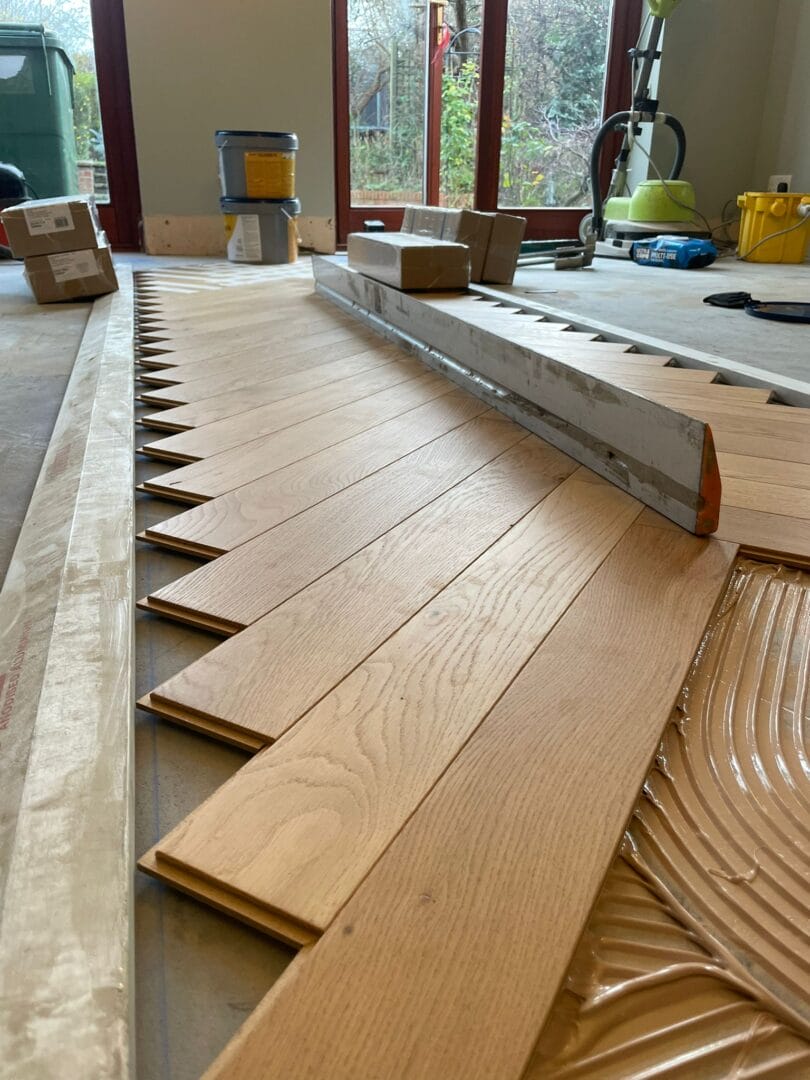
Subfloor preparation, moisture testing, and correct installation all affect long-term performance. Cheap engineered flooring is usually less forgiving when shortcuts are taken.
This increases the risk of movement, visible gaps, or premature wear later.
This is where cheap flooring often becomes expensive.
If the wear layer is too thin to be sanded back, replacement becomes the only realistic option once the surface deteriorates.
| Flooring Type | Upfront Cost | Refinishing Potential | Likely Lifespan |
| Cheap engineered flooring | Lower | Limited or none | Shorter |
| Mid-range engineered oak flooring | Moderate | Usually possible | Moderate to long |
| Premium engineered wood floor | Higher | Multiple refinishes possible | Long-term |
The wear layer is the top layer of real wood. This is the authentic wood surface you walk on and see every day.
A thicker wear layer improves durability and gives more flexibility later if the floor becomes scratched or worn.
A 14mm or 15mm engineered oak plank with a strong top layer will usually outperform a thinner board over time.
According to National Wood Flooring Association guidance, factory-finished boards with around a 2.5mm wear layer may allow light sanding, while thicker boards offer better refinishing potential.
As a general guide:
If longevity matters, avoid choosing purely on appearance or a price match promise. The wear layer thickness matters more than many homeowners realise.
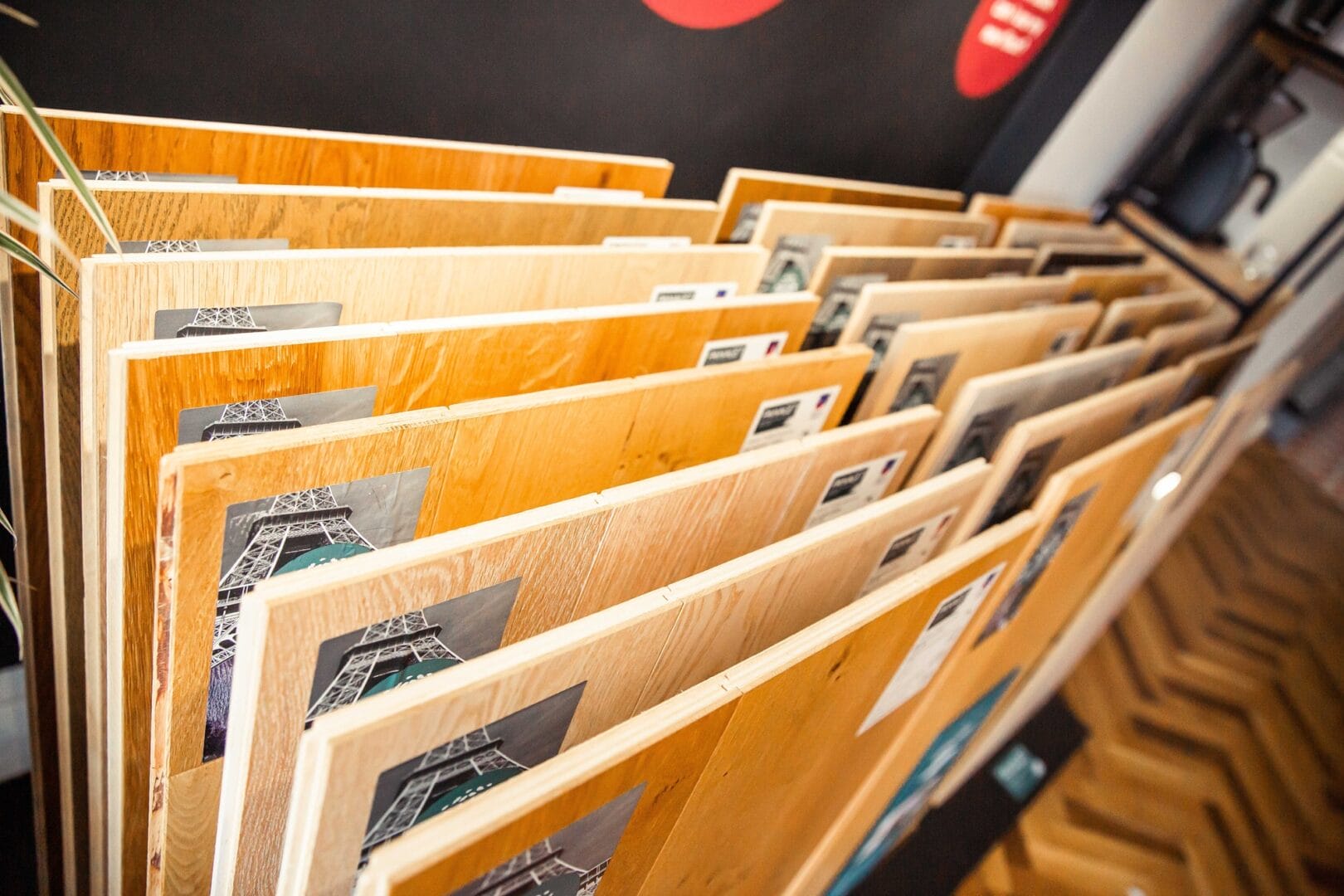
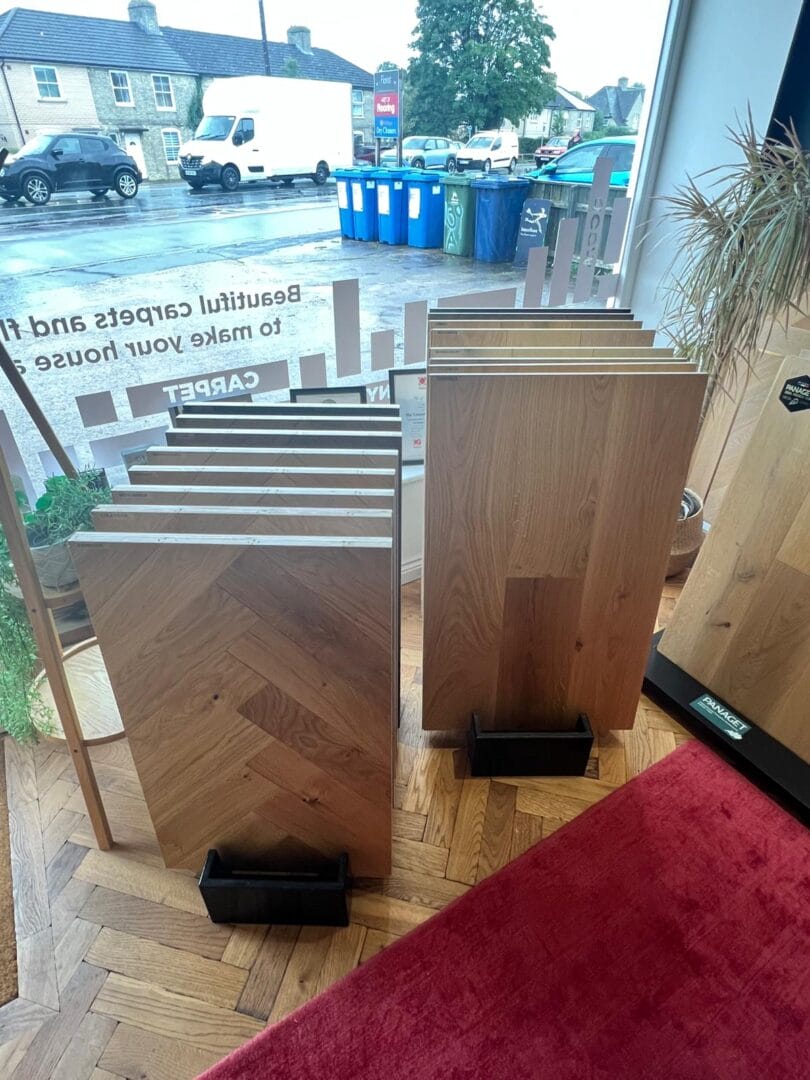
Plywood cores are generally more stable than MDF or HDF alternatives. They cope better with moisture changes and reduce the risk of movement.
This matters particularly in kitchens, extensions, and homes with underfloor heating systems.
Engineered wood flooring is designed to handle humidity more effectively than many solid wood floors because of its multi-layered structure.
Cheaper products, however, are more vulnerable to warping or shrinking in humid conditions.
The locking system also affects performance. Weak joins can separate over time, especially under heavy footfall or poor installation conditions.
See how proper installation improves long-term flooring performance.
Better engineered oak flooring often uses UV-cured coatings or aluminium oxide finishes to improve scratch resistance and surface durability.
Lower-grade finishes usually lose their appearance more quickly. Once the protective layer weakens, the real wood top layer becomes more vulnerable to damage.
This is often where cheap engineered wood flooring starts to look tired, well before the structure itself has failed.
Before buying, check:
Even premium flooring performs poorly on an uneven or damp subfloor. Moisture testing and correct flooring underlay are essential before installation.
Wood flooring is available in thicknesses ranging from 10mm to 20mm and should acclimatise properly before fitting.
Without this step, movement problems can appear later.
Some engineered flooring is marketed as easy to install, but cheaper boards are often less forgiving during fitting.
Small installation mistakes can become visible surprisingly quickly.
Refinishing means sanding the real wood veneer and applying a new finish. Recoating refreshes the surface without sanding.
Typical refinishing costs can range from around £1,100 to £2,600, depending on floor size and condition.
Thin wear layers usually cannot be sanded and refinished properly. Once the surface wears through, replacement is often the only option.
Over 10 to 15 years, a higher-quality engineered wood floor may only need one refinishing process, while a cheaper floor may require full replacement.
Structural warranties and finish warranties are not the same thing.
Many exclusions apply to:
A warranty may technically remain valid while the floor still loses its appearance earlier than expected.
Some engineered flooring products use adhesives that release higher levels of formaldehyde.
Look for:
EPA guidance on composite wood compliance
This matters because lower-cost imports do not always follow the same quality control standards.
Cheap engineered wood flooring is not always the wrong choice.
It can work well in:
The key is understanding the trade-offs clearly before installation.
Look for:
It is also worth ordering free samples before making a final decision. Real wood flooring changes noticeably depending on light, room size, and finish.
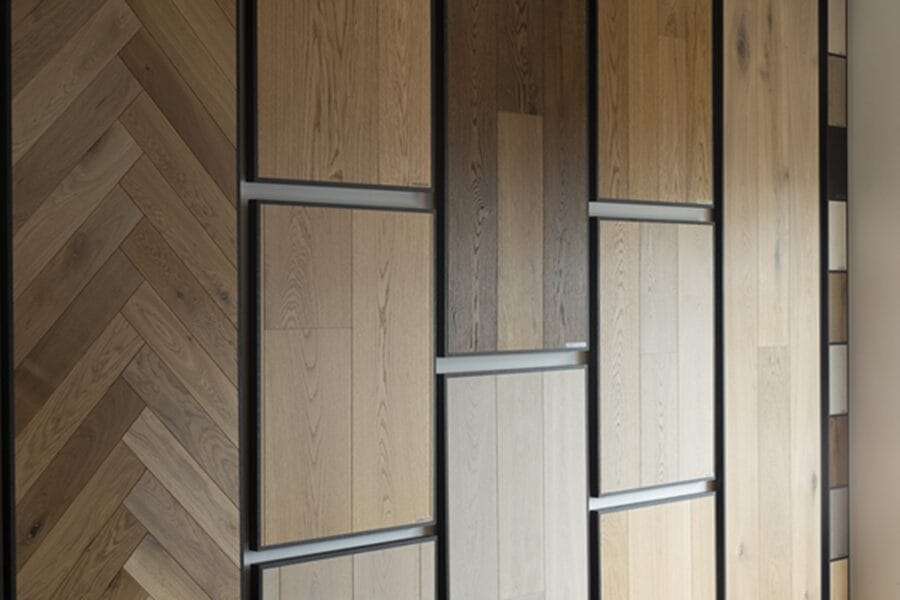
A range of engineered wood flooring may look similar online, but differences in thickness, finish quality, and core structure become much clearer in person.
Browse our range of Engineered Wood Flooring.
For a 300 sq ft room:
Over time, the better-built floor is often the more durable and affordable option overall.
The cheapest wood floor is not always the cheapest flooring option long term.
Thin wear layers, weaker finishes, and lower-grade construction often lead to earlier repairs, visible wear, or full replacement sooner than expected. That becomes expensive both financially and practically.
A better approach is to compare specifications properly, understand how the floor will be used, and focus on durability rather than headline price alone.
If you are comparing flooring options now, start with free samples, look closely at wear layer thickness, and ask direct questions about refinishing potential before making a decision.