To enable us to give you our full attention during your showroom visit, please book an appointment
- Opening Hours
Showroom Open by Appointment Only
Monday - Friday 9:00am - 5:00pm
Saturday or Sunday 9:00am - 3:00pm

To enable us to give you our full attention during your showroom visit, please book an appointment
Engineered timber flooring has become one of the most popular choices for UK homeowners because it offers the appearance of real wood with greater stability for modern living. It suits homes with underfloor heating, changing humidity levels, busy family life, and open-plan layouts better than many traditional solid wood flooring options.
This guide explains how engineered timber flooring is made, what thickness to choose, how much it costs, which finishes suit different rooms, and the common buying mistakes that lead to disappointing results later.
The advice below combines guidance from flooring installers, manufacturer buying guides, and UK flooring retailers to help homeowners make a more confident decision.
Engineered timber flooring is real wood flooring made from a hardwood veneer bonded to multiple layers of plywood or high-density core material. The layered construction improves stability compared with solid wood, making engineered wood floor products well-suited to UK homes with underfloor heating or changing humidity.
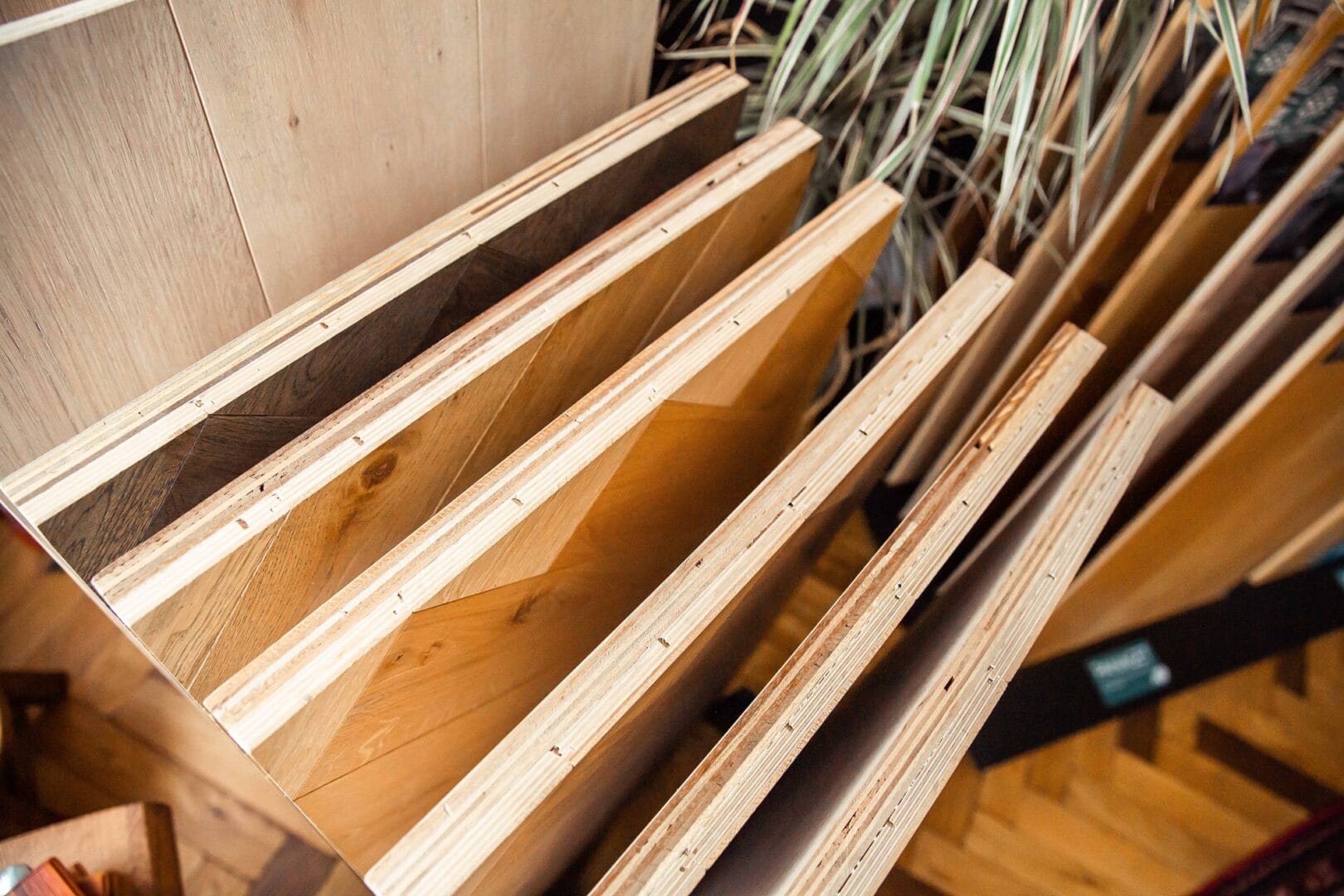
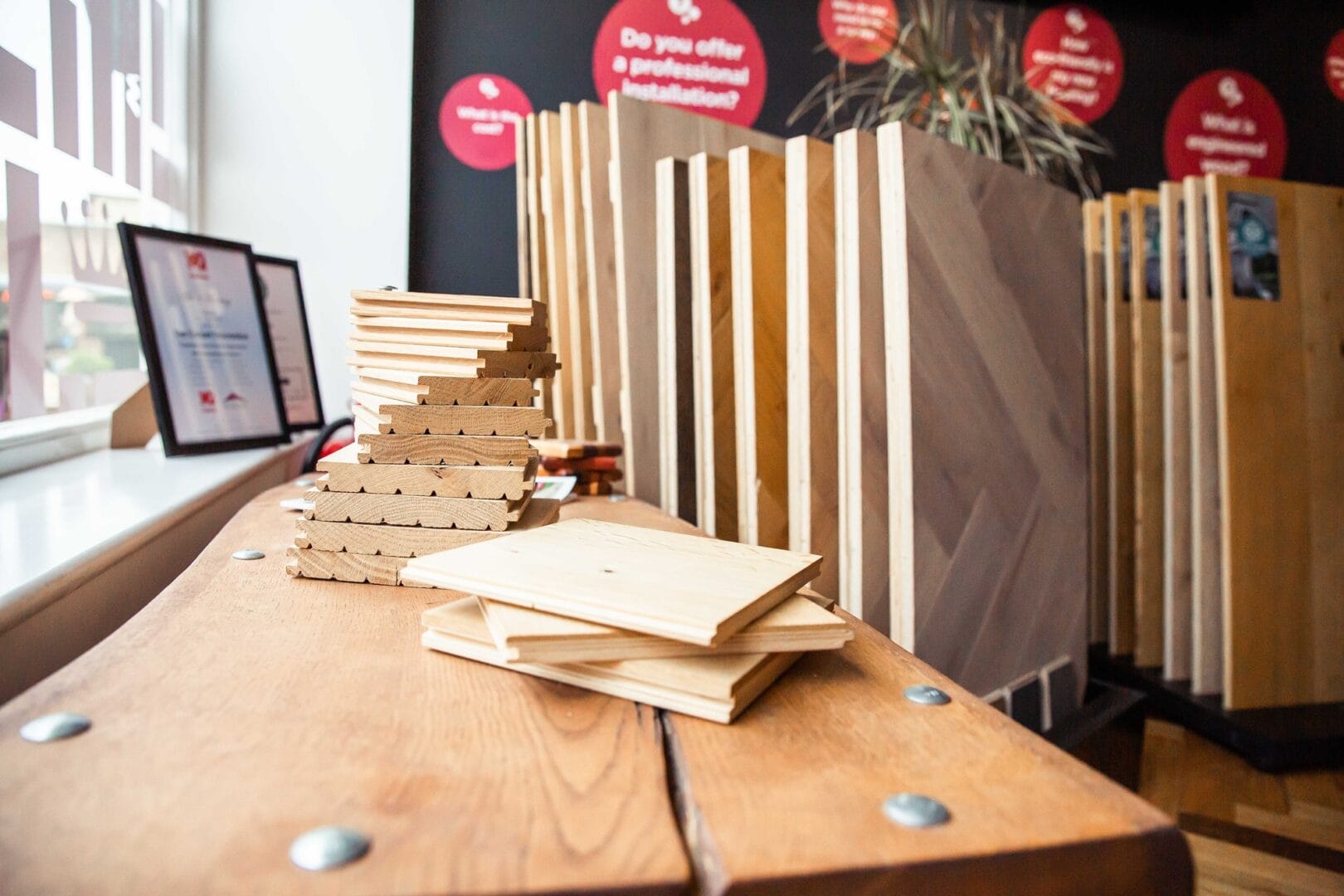
Engineered timber flooring is made using a top layer of solid wood bonded together with multiple base layers beneath. The surface layer is usually oak, walnut, ash, maple, or another hardwood species, while the core is commonly plywood, birch plywood, fibreboard, or HDF.
This multi-layered construction helps reduce movement caused by humidity changes and central heating. That is one reason engineered oak flooring is often recommended for homes fitted over underfloor heating.
Most quality boards also include:
A flooring fitter will often describe engineered hardwood as an “alternative to solid” because it gives the appearance of a hardwood floor with better dimensional stability.
Learn more about our engineered wood floor installation service.
| Feature | Engineered Timber Flooring | Solid Wood Flooring |
| Stability | Better in changing temperatures | More movement over time |
| Moisture Resistance | More suitable for kitchens and UFH | More sensitive to moisture |
| Refinishing | Depends on the wear layer | Multiple sanding cycles possible |
| Cost | Often more affordable | Usually more expensive |
| Installation | Flexible methods available | More restrictive |
| Underfloor Heating | Usually compatible | Often not recommended |
Solid oak flooring still appeals to homeowners who want thicker boards and long-term restoration potential. However, engineered wood floor products are often the more practical choice for modern UK homes.
UK homes experience regular humidity fluctuations caused by central heating, seasonal temperature changes, and ventilation differences between rooms.
Solid wood can expand and contract more noticeably under these conditions. Engineered flooring is designed to minimise that movement through layered construction.
Installers often see fewer problems with gapping, cupping, and plank movement when a properly acclimatised engineered wood floor is installed correctly.
One of the biggest reasons homeowners choose engineered timber flooring is its compatibility with underfloor heating systems.
The thinner top layer and stable plywood construction allow heat to pass through more efficiently than many solid wood flooring products.
Oak and walnut remain popular choices because they are generally less reactive than some softer wood species.
For official guidance on timber flooring and underfloor heating compatibility: Manufacturer UFH installation guide
| Flooring Type | Typical UK Price per m² |
| Laminate Flooring | £15 to £40 |
| Engineered Timber Flooring | £35 to £120+ |
| Solid Wood Flooring | £60 to £180+ |
| LVT | £25 to £80 |
Budget engineered flooring products can look attractive initially, but cheaper imports often use thinner wear layers and weaker core construction.
Several flooring installers note that lower-quality boards are more likely to scuff, separate at joins, or struggle with moisture over time.
Oak
Oak dominates the UK market because it balances durability, colour variation, availability, and price well.
Walnut
Walnut offers darker tones and a more premium appearance, but it is usually softer than oak.
Ash
Ash works well in contemporary interiors because of its lighter appearance and visible grain.
Maple
Maple provides a cleaner, smoother look with subtle variation.
Most homeowners still gravitate towards engineered oak flooring because it works well in both traditional and modern homes.
Popular styles include:
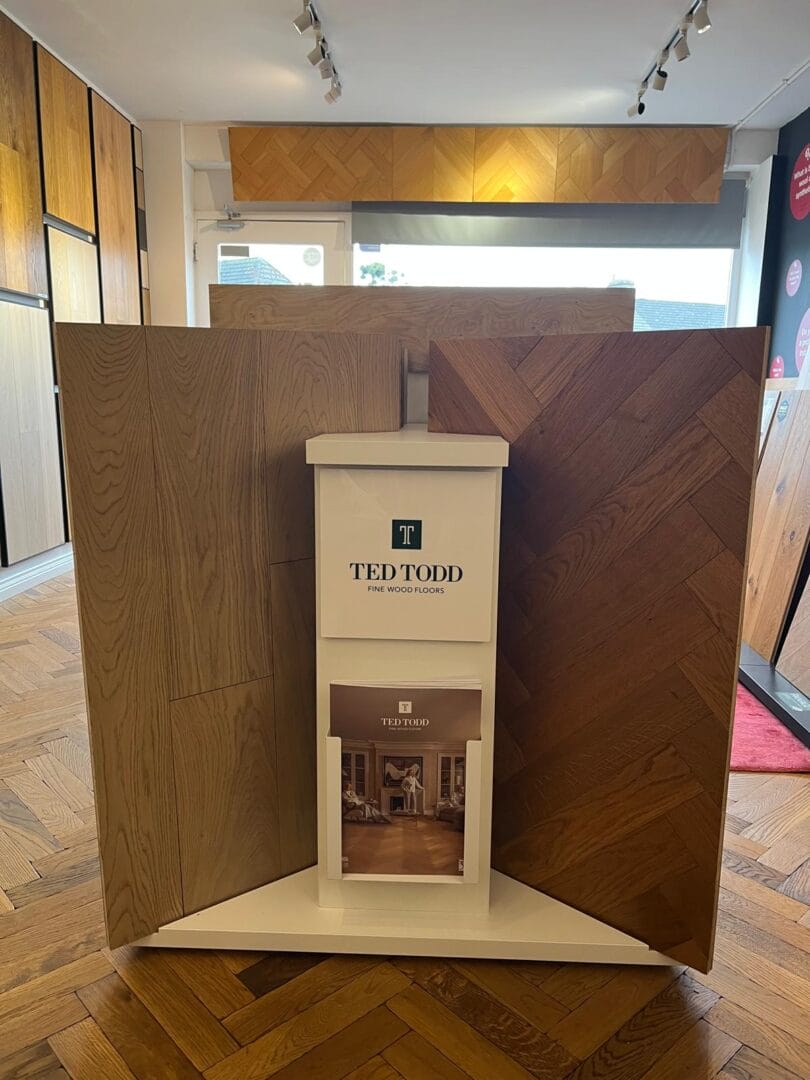
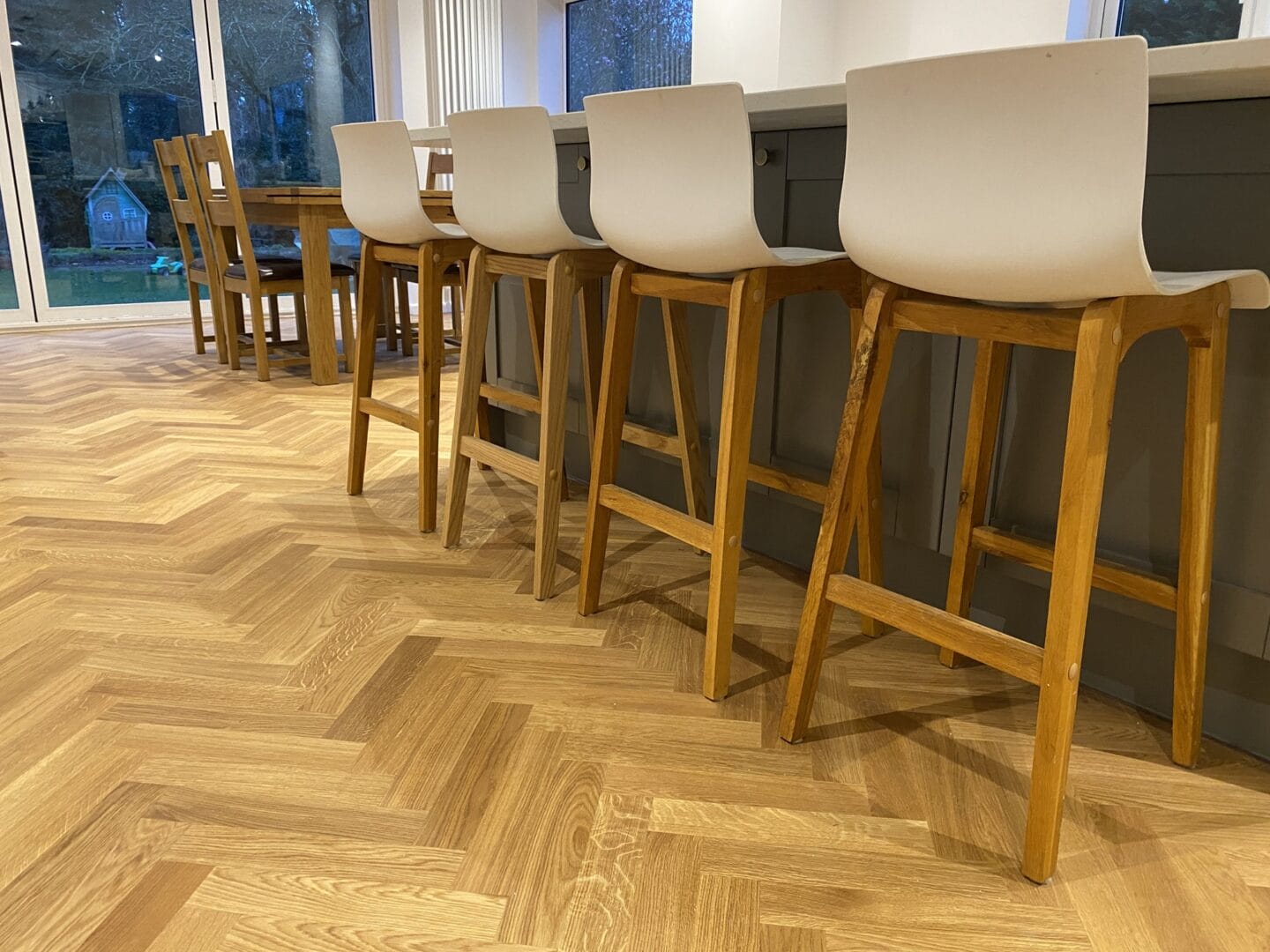
Herringbone and parquet remain particularly popular in hallways and period properties, while wider plank engineered wood floor designs suit open-plan homes.
Brushed & Oiled
Natural appearance with softer texture. Easier to spot-repair but requires more maintenance.
Lacquered
More protective against spill marks and easier for busy households.
Matt Finish
Popular in modern homes because it softens reflections and hides light scratch marks better.
Hand-Scraped or Smoked Timber
Adds character and disguises wear more effectively in high-traffic areas.
A flooring specialist will usually recommend lacquered boards for busy family homes and oil finishes where a softer, more natural appearance matters more.
Common thicknesses include:
A 14mm engineered wood floor is often considered a strong middle ground for residential use because it balances stability, comfort, and compatibility with underfloor heating.
Thicker boards can feel more substantial underfoot and may allow for thicker wear layers.
The wear layer is the real wood veneer on top of the board.
Typical examples:
Many flooring professionals consider 3mm+ wear layers a safer long-term investment for homeowners wanting a long-lasting wood floor.
| Room | Recommended Thickness |
| Bedrooms | 10mm to 12mm |
| Kitchens | 14mm |
| Hallways | 14mm to 18mm |
| Commercial Areas | 18mm+ |
Engineered timber flooring is not fully waterproof in the same way as tile or some vinyl flooring products.
However, many modern boards are water-resistant when correctly sealed and maintained. Moisture-resistant cores and improved coatings now make engineered wood floor products more practical for kitchens and busy homes than older timber flooring systems.
Standing water and repeated spill exposure can still damage the wood veneer over time.
Look for:
Newer flooring products marketed as waterproof engineered hardwood are becoming more common, although homeowners should still read warranty conditions carefully.
See our wood floor case study for practical maintenance considerations.
Engineered timber flooring performs well with underfloor heating because the layered construction reduces excessive movement.
Most installers recommend a gradual temperature ramp-up and careful moisture testing before installation.
Common problems include:
One flooring installer observation repeated across UK projects is that many flooring failures come from rushed preparation rather than defective boards.
For technical moisture and installation guidance: Flooring Trade Association Guidance
Look for:
Sustainability matters increasingly to UK homeowners, especially in long-term renovation projects.
Read more about responsible timber sourcing standards here: FSC or PEFC guidance
Choosing Based Only on Price
Cheap flooring can become expensive if boards fail early or cannot be refinished.
Ignoring Wear Layer Thickness
Thin wear layers limit future sanding options.
Skipping Moisture Testing
This is one of the biggest causes of movement and installation failure.
Choosing the Wrong Finish
Glossy lacquer may show scuff marks more quickly in busy homes.
DIY Installation Errors
Many homeowners underestimate subfloor preparation and expansion requirements.
Read our flooring guide.
Use:
Avoid excessive water exposure.
Use:
Pets, grit, and dragged furniture cause more scratch damage than normal foot traffic in many homes.
Many engineered wood floor products can be sanded and refinished, depending on the wear layer thickness.
Boards with 3mm to 6mm wear layers are generally more suitable for refinishing.
| Quality Tier | Expected Lifespan |
| Budget | 10 to 20 years |
| Mid-range | 20 to 40 years |
| Premium | 40+ years |
Longevity depends heavily on:
Premium engineered oak flooring that is properly maintained can remain attractive for decades.
Usually offer:
Good balance between cost and performance.
Suitable for lower-traffic rooms, but construction quality varies more significantly.
Homeowners should compare:
Compare our full range of engineered wood flooring products here: Engineered Flooring Range.
For many UK homeowners, engineered timber flooring offers the best balance between appearance, practicality, and long-term value.
It gives you the warmth and character of real wood flooring while handling underfloor heating, changing temperatures, and modern family life more effectively than many solid wood options.
The key is choosing the right wear layer, board construction, finish, and installation method rather than focusing on price alone.
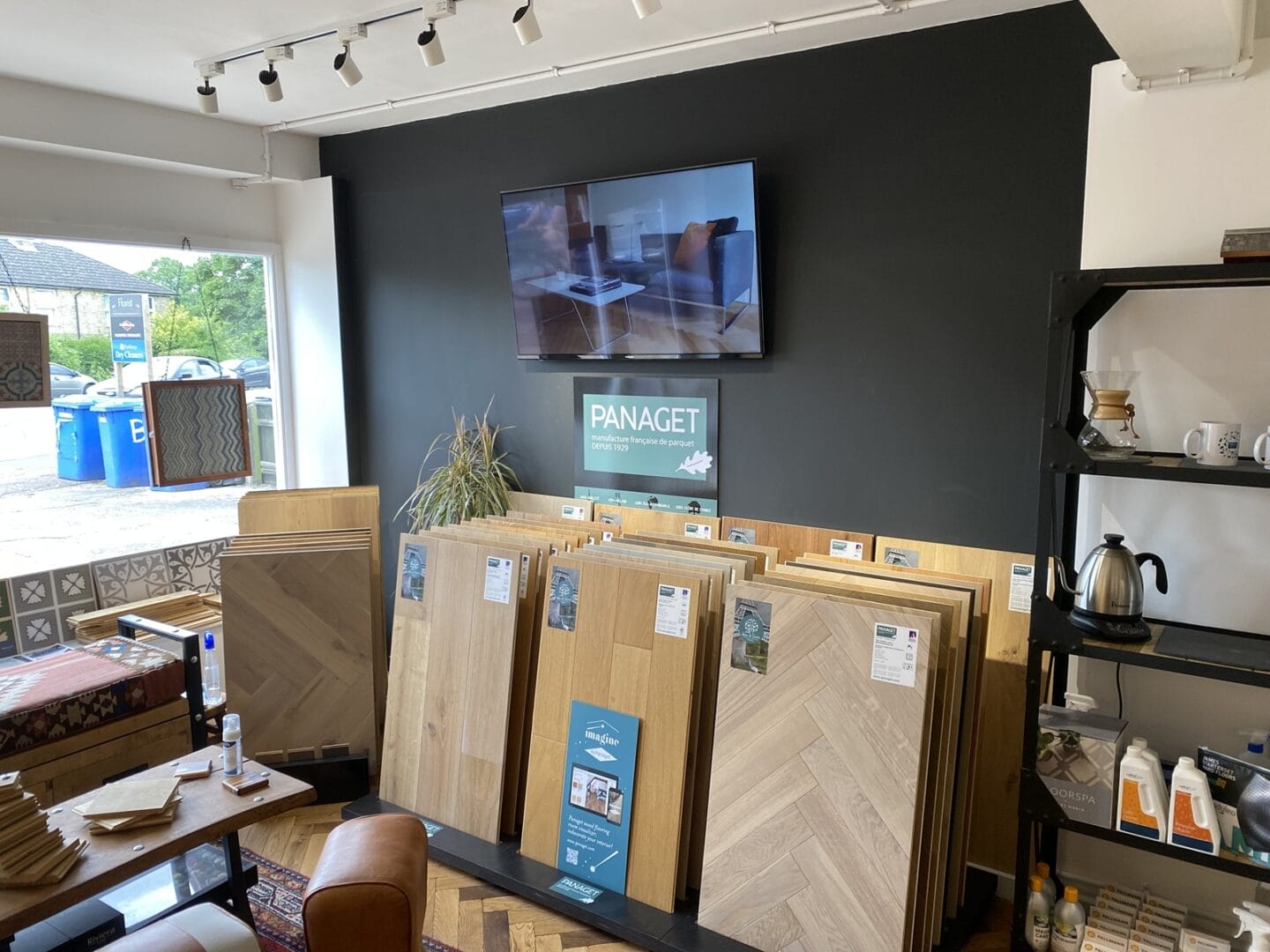
If you are comparing engineered wood floor options for your property, the safest next step is to see samples in person and speak with a flooring specialist about the conditions in your home.
Request free flooring samples.